
Bromely, UK
Bringing Back the Elms in Bromley
Disease-resistant elm trees help restore a lost part of the landscape and strengthen urban biodiversity
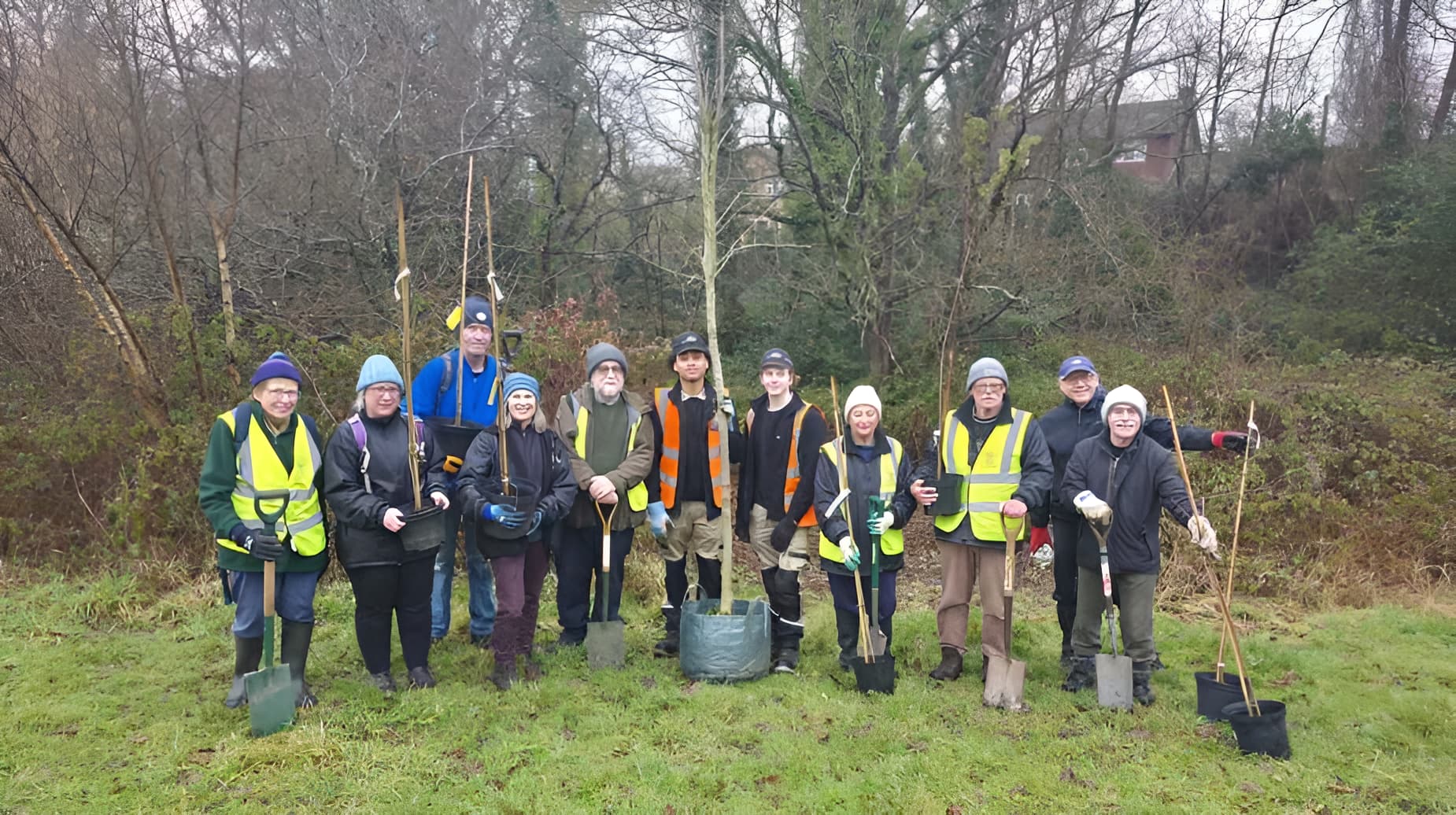
Disease-resistant elm trees are being planted in Bromley as part of an initiative to help restore one of Britain’s most iconic native tree species. The project supports biodiversity, strengthens the urban tree canopy, and contributes to the long-term resilience of local landscapes.
Elm trees were once a defining feature of the British landscape, providing valuable habitat for wildlife and contributing to the character of towns, parks, and countryside settings. However, the widespread impact of Dutch elm disease led to the loss of millions of trees across the UK, dramatically altering ecosystems and local environments.
Advances in tree breeding and selection have created new opportunities to reintroduce disease-resistant varieties capable of withstanding the challenges that devastated historic elm populations. These developments are helping communities re-establish an important species while supporting broader environmental objectives.
The Bromley initiative focuses on planting disease-resistant elms in suitable locations where they can contribute to the borough’s green infrastructure and biodiversity ambitions. As the trees mature, they will provide environmental benefits including carbon capture, shade, improved air quality, and habitat for wildlife.
Elm trees also play a particularly important role in supporting biodiversity. They are associated with a variety of insects, birds, and other species, including the white-letter hairstreak butterfly, which depends heavily on elm populations for its lifecycle. Reintroducing elms can therefore help strengthen ecological networks and support species recovery efforts.
Urban tree planting is increasingly recognised as an important tool in addressing climate and environmental challenges. Expanding and diversifying the urban tree canopy helps create more resilient landscapes while improving the quality of public spaces and supporting community wellbeing.
The project reflects a broader commitment to long-term environmental stewardship. By investing in species diversity and resilient planting strategies, local authorities and environmental partners can create landscapes that are better equipped to adapt to future challenges.
Collaboration between arboricultural specialists, local authorities, environmental professionals, and communities has been central to the initiative, helping ensure that the benefits of the project can be realised for generations to come.
The return of disease-resistant elm trees to Bromley represents an important step in restoring biodiversity and strengthening urban landscapes. Through thoughtful planting and long-term stewardship, the project helps bring back a valued native species while creating lasting benefits for people, wildlife, and the environment.
Download Our Arboriculture & Biodiversity Brochure
Discover how idverde UK supports urban forestry, tree planting, biodiversity enhancement, and long-term environmental resilience through expert arboricultural services.