UK
Breaking Down Barriers to Play
Creating accessible, inclusive, and welcoming play environments for every child
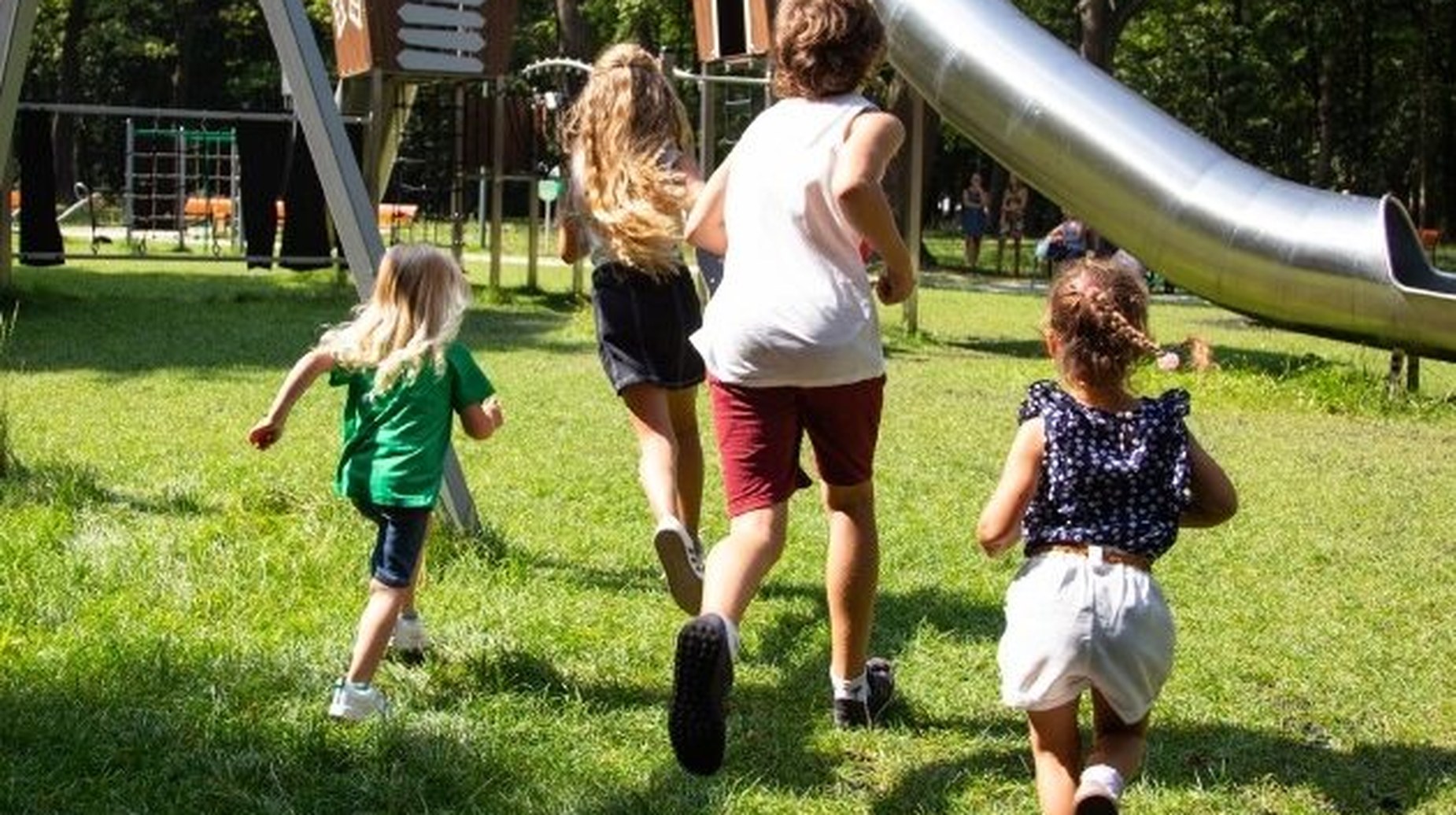
Access to play is fundamental to children's development, wellbeing, and quality of life. Yet many children continue to face barriers that limit their ability to fully participate in outdoor play. Creating inclusive play environments is essential to ensuring that every child has the opportunity to learn, explore, and thrive.
Play supports physical, social, emotional, and cognitive development, making it one of the most important elements of childhood. Well-designed play spaces provide opportunities for movement, creativity, social interaction, and personal growth while contributing to healthier and more connected communities.
However, access to play is not always equal. Physical barriers, limited accessibility, lack of inclusive equipment, and social or environmental challenges can prevent some children and families from fully benefiting from outdoor play opportunities.
Addressing these barriers requires a thoughtful and inclusive approach to design. Play environments should consider the needs of children with different physical, sensory, cognitive, and developmental requirements, creating spaces where everyone can participate comfortably and confidently.
Inclusive play goes beyond accessibility alone. It involves creating a variety of experiences that encourage interaction, imagination, challenge, learning, and social connection. By offering different ways to engage with the environment, play spaces can support a broader range of abilities, preferences, and needs.
The location and design of play spaces also influence accessibility. Safe routes, welcoming layouts, clear wayfinding, seating areas, and opportunities for carers and families to participate all contribute to creating more inclusive and enjoyable environments.
As communities continue to prioritise wellbeing, inclusion, and social value, accessible play environments are becoming an increasingly important part of public space planning. These spaces help foster belonging, encourage participation, and strengthen community connections.
Creating truly inclusive play opportunities requires collaboration between designers, local authorities, communities, educators, and families. By working together, it is possible to create environments where every child can enjoy the benefits of play without unnecessary barriers.