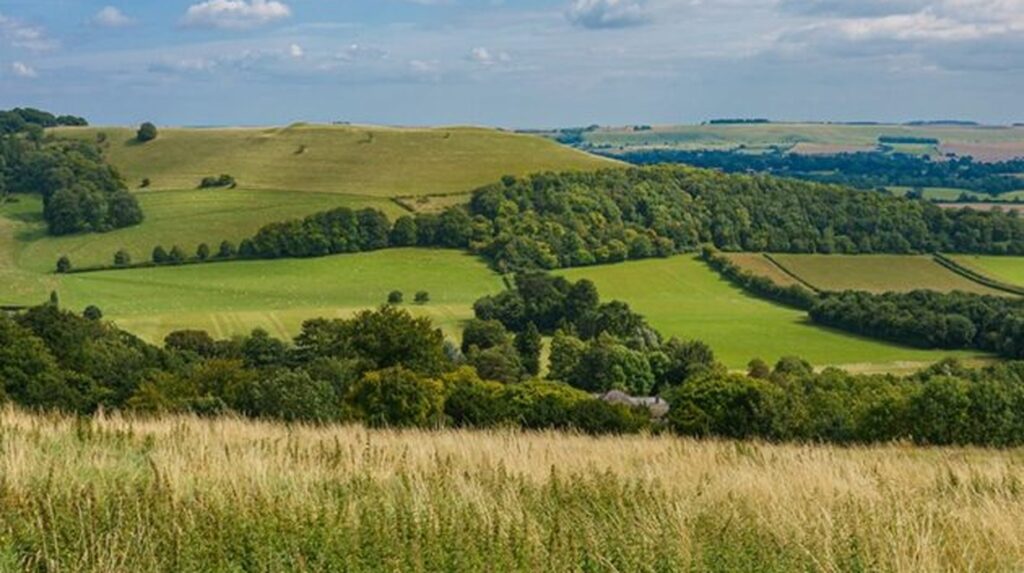
Salisbury
A Community Garden Project for Bemerton Heath — Salisbury, UK
Transforming underused green spaces into community gardens that promote wellbeing, biodiversity, and local food growing
idverde UK has supported the creation of a new community garden in Bemerton Heath, Salisbury, helping transform underused green space into a vibrant environment where residents can grow food, connect with nature, and strengthen community wellbeing.
The Grow Food Not Grass initiative was developed to convert unused grassed areas around Bemerton Heath into small community gardens that provide access to organic food while encouraging healthier, more sustainable lifestyles. The project combines environmental improvement with social impact, creating spaces designed to benefit both people and nature.
Developed through collaboration between local residents, Wiltshire Council, Wiltshire Wildlife Trust, community organisations, and idverde UK, the project reflects a shared commitment to creating greener, more inclusive neighbourhoods. Months of planning, fundraising, and community engagement helped bring the initiative from concept to reality.
In January 2024, volunteers came together to install the first community garden at Pinewood Way. Working across two days, the team constructed raised planting beds, prepared growing areas, and created new facilities designed to support long-term community use and accessibility.
The garden was designed to provide a welcoming and accessible environment where residents can learn new skills, grow fresh produce, and engage more closely with the natural environment. Raised planters were developed to accommodate a variety of fruits, vegetables, herbs, and other edible crops while ensuring accessibility for wheelchair users and people of all ages.
Particular attention was given to sustainability and ecological value. The project promotes organic growing methods and supports soil health through low-impact cultivation approaches. By encouraging biodiversity-friendly planting and creating greener community spaces, the garden contributes to a healthier local ecosystem while strengthening connections between people and nature.
Beyond its environmental benefits, the initiative aims to create long-term social value. The space provides opportunities for learning, volunteering, community participation, and improving wellbeing through outdoor activity. It also encourages greater awareness around nutrition, self-sufficiency, and sustainable food production.
The project serves as a pilot initiative that could inspire similar community-led gardens across the area, demonstrating how collaboration, local engagement, and environmental stewardship can help revitalise urban green spaces and create lasting benefits for residents.