
UK
Creating Active Lives Through Play
Designing play environments that encourage movement, wellbeing, and healthier communities
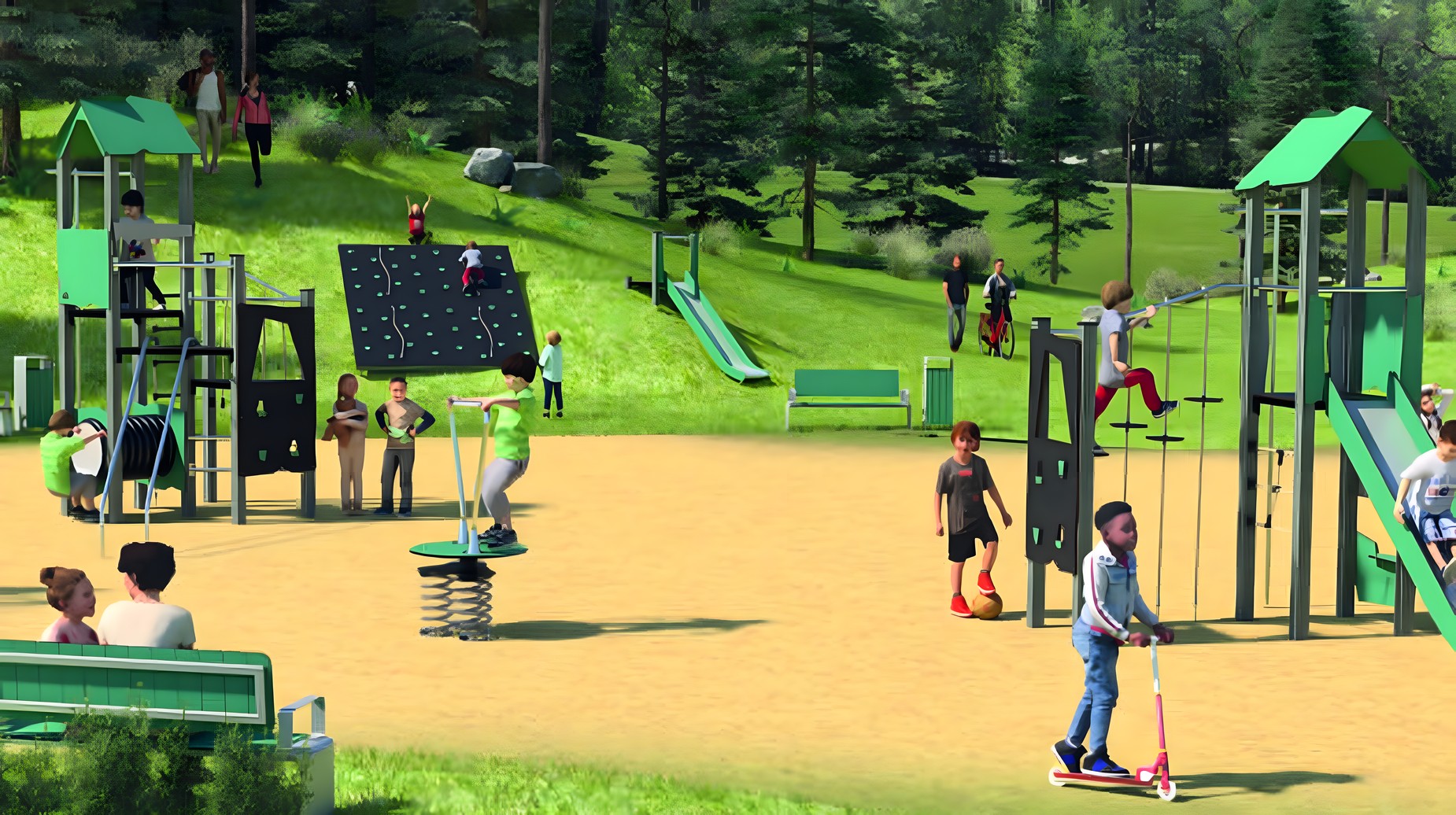
Play is a powerful driver of physical activity, helping children develop healthy habits, build confidence, and engage with the world around them. Thoughtfully designed play spaces can play a significant role in encouraging active lifestyles while supporting wellbeing and community life.
Physical activity is essential for healthy childhood development. It contributes to physical fitness, coordination, strength, and overall wellbeing while helping establish habits that can benefit individuals throughout their lives.
Play environments provide one of the most natural and engaging ways for children to stay active. Through climbing, running, balancing, jumping, and exploring, children develop important physical and cognitive skills while enjoying opportunities for creativity and social interaction.
As communities place increasing emphasis on health and wellbeing, the design of outdoor play spaces is evolving to encourage a broader range of activities and experiences. Modern play environments are designed not only for recreation but also to support movement, inclusion, learning, and social development.
Accessibility and inclusivity are important considerations in creating successful play spaces. Environments that accommodate children of different ages, abilities, and backgrounds help ensure that more people can benefit from opportunities for active play and outdoor recreation.
Play areas also contribute to the wider value of parks, schools, public spaces, and community environments. They create destinations that encourage families to spend time outdoors, strengthen social connections, and support healthier lifestyles within local communities.
Integrating play with green infrastructure further enhances these benefits. Nature-rich settings encourage exploration, imagination, and engagement with the natural environment while supporting mental wellbeing and environmental awareness.
Investment in high-quality play environments therefore extends beyond the play equipment itself. It is an investment in health, wellbeing, inclusion, and the long-term vitality of communities.
As towns and cities continue to evolve, creating spaces that encourage active lives will remain an important part of building healthier, more resilient places for future generations.