London
Harnessing History for Conservation at Wormwood Scrubs — London, UK
Using traditional land management techniques to support biodiversity and habitat conservation
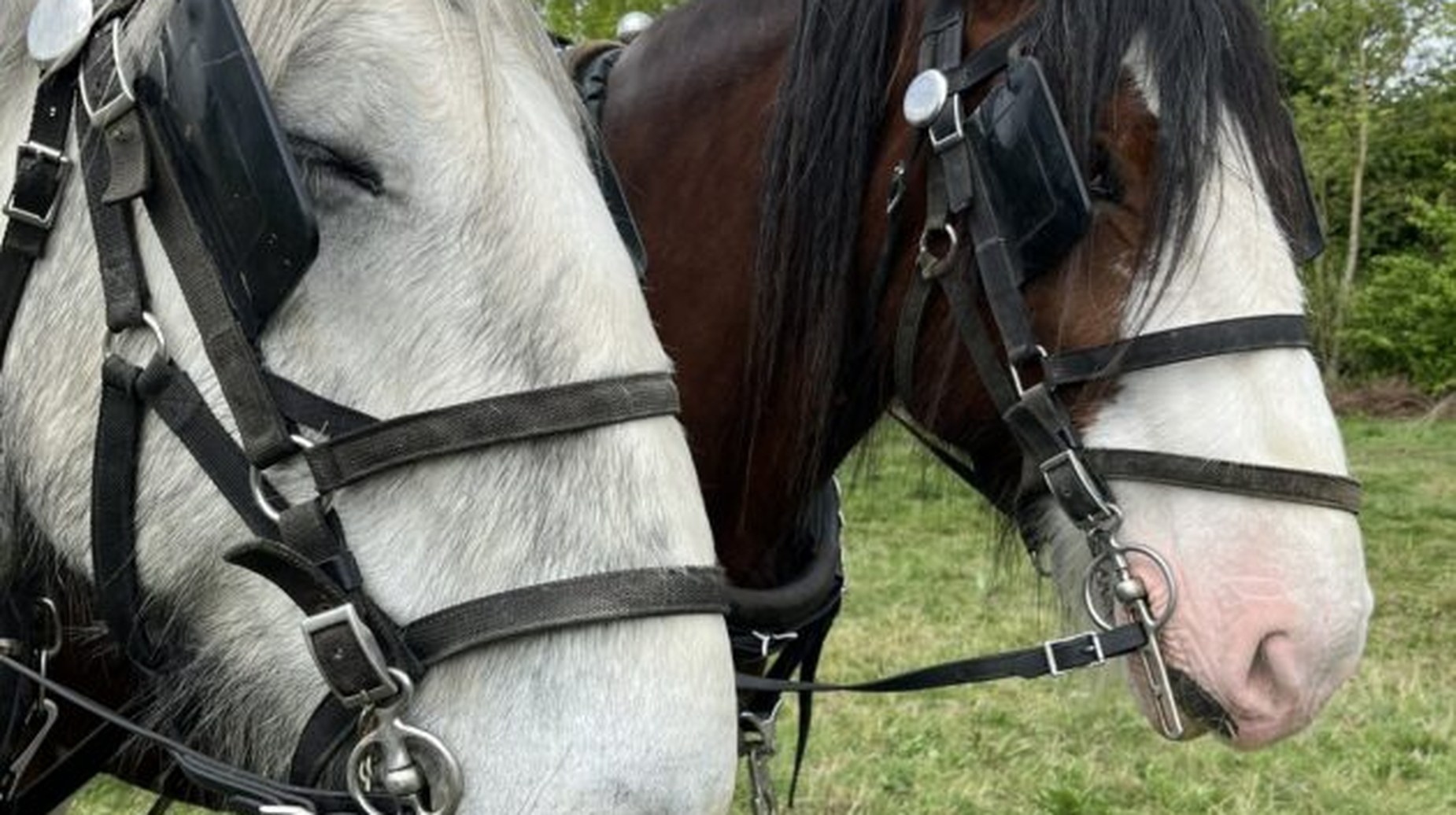
At Wormwood Scrubs in London, traditional conservation methods are helping deliver modern biodiversity outcomes. Through the use of Shire horses for habitat management, idverde UK is supporting a unique approach that combines heritage, environmental stewardship, and ecological conservation.
Effective habitat management often requires approaches that are tailored to the specific characteristics of a landscape. In some environments, traditional land management techniques can offer valuable environmental benefits while helping protect sensitive habitats.
At Wormwood Scrubs, Shire horses have been used to assist with conservation work in areas where conventional machinery may have a greater impact on the landscape. Their use allows habitat management activities to be carried out in a way that minimises ground disturbance while maintaining the ecological integrity of the site.
This approach draws on historic land management practices that have been used for generations while supporting contemporary conservation objectives. The lower environmental impact of horse-powered operations can help protect soils, reduce compaction, and preserve sensitive ecological features within valuable habitats.
Wormwood Scrubs is an important green space that supports a variety of wildlife and habitats within an urban setting. Ongoing conservation efforts aim to maintain and enhance these ecological assets while ensuring the landscape remains accessible and beneficial for local communities.
The project also provides an opportunity to raise awareness of the relationship between traditional skills and modern environmental management. By demonstrating how historic methods can contribute to current biodiversity goals, the initiative highlights the value of diverse approaches to conservation.
Beyond its ecological benefits, the presence of Shire horses creates opportunities for community engagement and education, helping connect people with both local heritage and environmental stewardship. These experiences encourage greater appreciation of the landscapes being managed and the work involved in protecting them.
The initiative reflects a broader commitment to innovation in conservation — recognising that effective environmental management can draw upon both modern expertise and traditional knowledge to achieve positive outcomes for nature.