UK
Monitoring Biodiversity Through Moth Trapping at High Elms Country Park
Using ecological monitoring to better understand, protect, and enhance local biodiversity
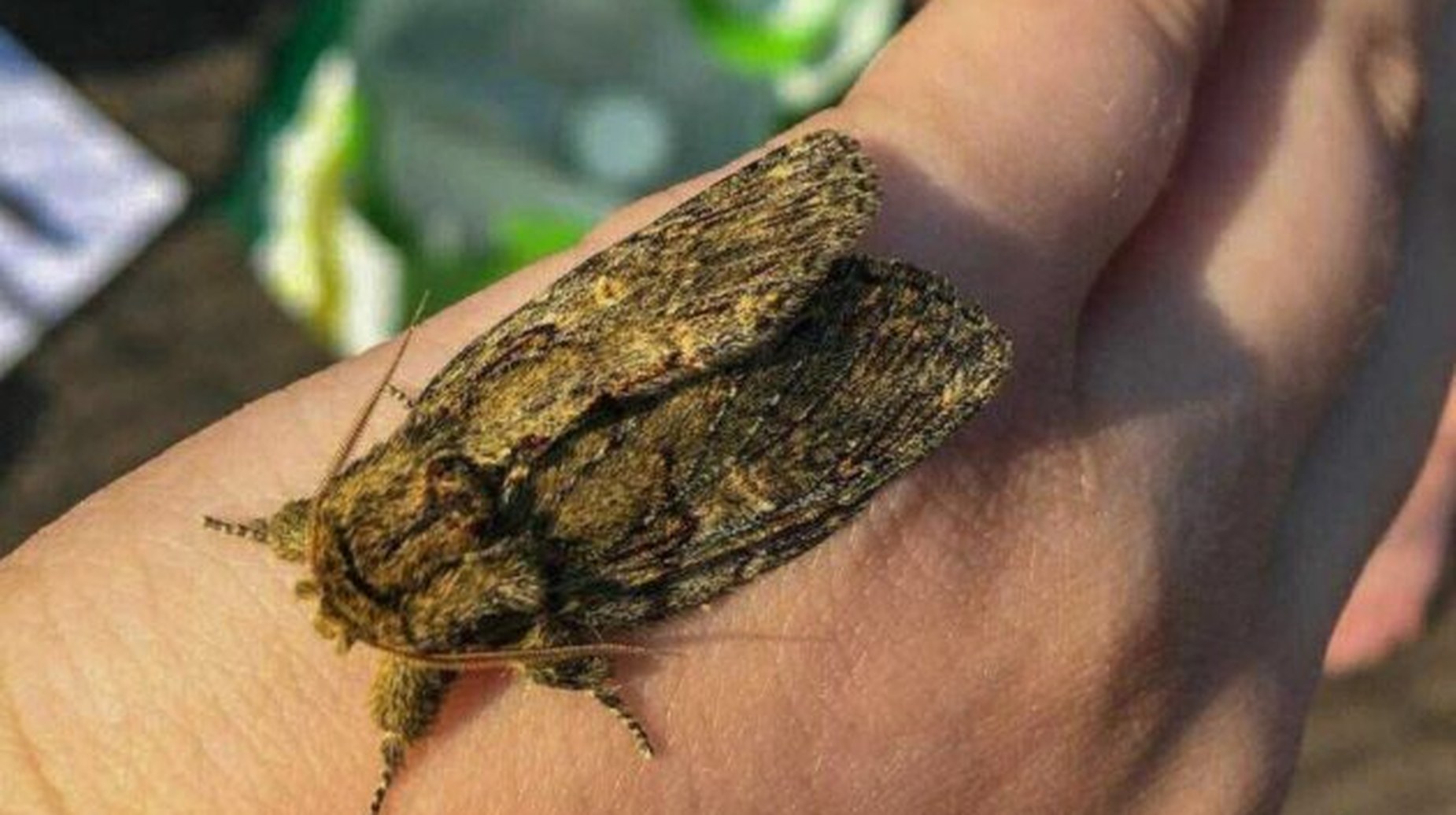
A programme of moth trapping surveys at High Elms Country Park is helping provide valuable insight into local biodiversity, supporting habitat management decisions and contributing to the long-term understanding of ecological health across the site.
Effective conservation begins with understanding the species that live within an environment. Ecological monitoring plays a vital role in providing the data needed to assess habitat quality, identify biodiversity trends, and inform future management strategies.
At High Elms Country Park, moth trapping surveys are being carried out throughout the season as part of an ongoing effort to monitor wildlife and better understand the ecological richness of the site. Moths are widely recognised as important indicators of environmental health due to their sensitivity to changes in habitat quality, climate, and land management practices.
The surveys help identify the variety of moth species present across the park while contributing to a broader picture of biodiversity within the landscape. The information gathered supports evidence-based habitat management and helps guide future conservation activities.
Although often overlooked, moths play a crucial role within ecosystems. They act as pollinators, provide an important food source for birds, bats, and other wildlife, and contribute to the overall functioning of healthy natural environments. Monitoring their populations can therefore provide valuable insight into wider ecological conditions.
The project also highlights the importance of long-term biodiversity monitoring. Understanding changes in species abundance and diversity over time allows environmental managers to assess the effectiveness of conservation interventions and respond to emerging challenges more effectively.
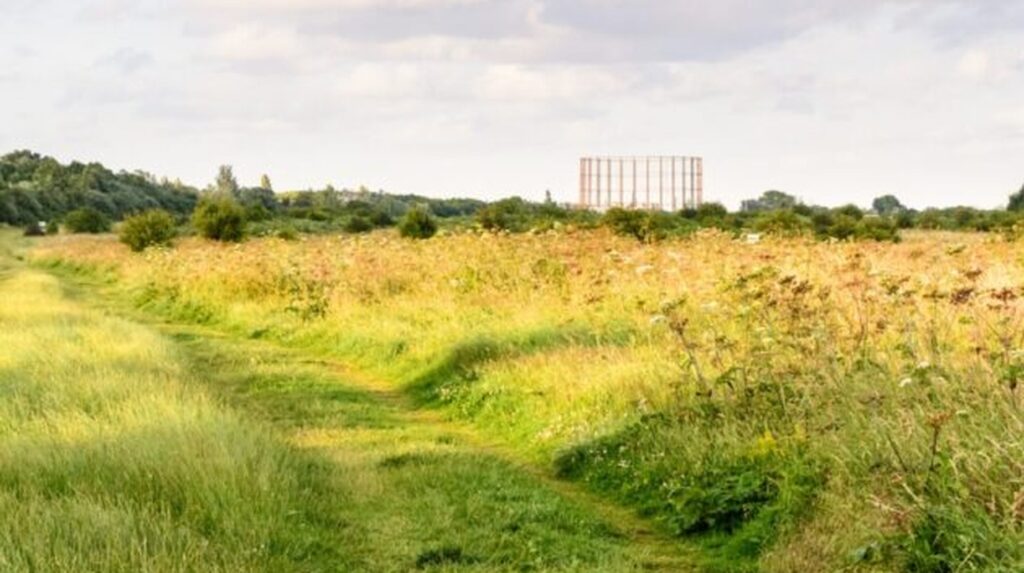
High Elms Country Park is recognised for its ecological significance, supporting a wide range of habitats and wildlife. Ongoing monitoring programmes help ensure that management decisions continue to support biodiversity enhancement and habitat resilience across the site.
The initiative demonstrates how science, conservation, and practical landscape management can work together to support nature recovery and create stronger ecosystems for future generations.