
UK
Official Unveiling of Bing the WWII War Dog Memorial
Honouring a remarkable story of courage, service, and local heritage through a new public landmark
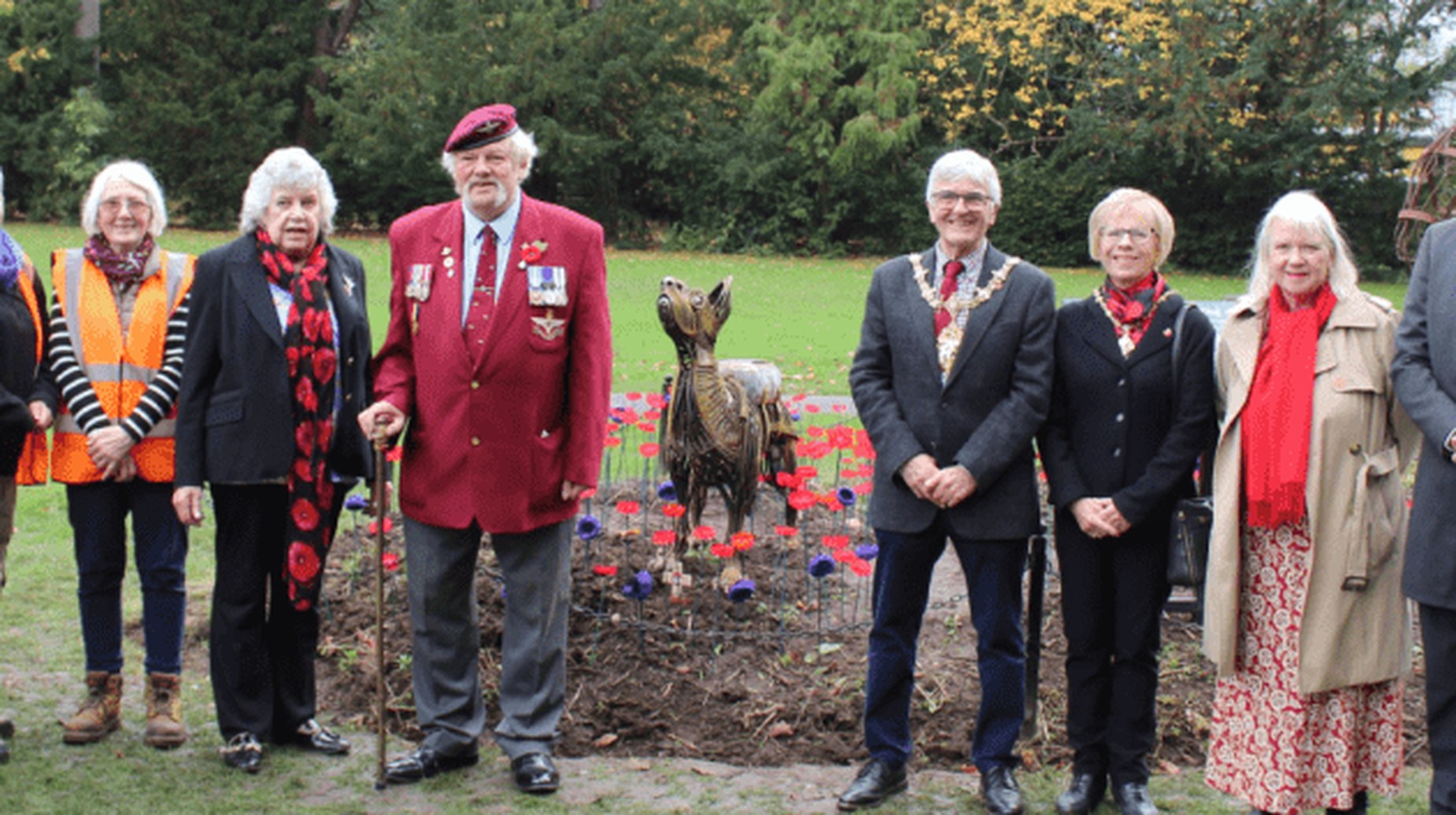
The official unveiling of the Bing the WWII War Dog memorial marks an important moment in celebrating local history and recognising the extraordinary contribution of animals during wartime. The new memorial creates a lasting tribute while enriching the public realm and strengthening connections between communities and their shared heritage.
Public spaces have an important role in preserving stories that shape local identity and collective memory. Memorials and commemorative landmarks help ensure significant events, achievements, and acts of service remain visible and accessible for future generations.
The Bing memorial honours one of the most decorated war dogs of the Second World War, recognising the bravery and service of animals that supported military operations during times of conflict. By creating a dedicated place of remembrance, the project helps bring an important chapter of history to life for residents and visitors alike.
The unveiling ceremony brought together community members, local representatives, veterans, and stakeholders to celebrate the memorial and reflect on the significance of Bing’s story. Events such as these demonstrate how public spaces can support remembrance, education, and community engagement.
Beyond its commemorative purpose, the memorial contributes to placemaking and the enhancement of the local environment. Thoughtfully designed public landmarks create opportunities for reflection while helping strengthen the character and identity of the places in which they are located.
Projects that combine heritage, storytelling, and public realm improvements can create lasting social value. They encourage learning, spark curiosity, and help connect communities with the people, events, and stories that have shaped their local area.
The project also highlights the value of collaboration between community groups, local authorities, heritage organisations, and delivery partners. Working together, these stakeholders can create spaces that honour the past while enriching the experience of public places today.
As communities continue to invest in heritage and placemaking initiatives, projects such as the Bing memorial demonstrate how public spaces can serve as both places of remembrance and sources of community pride.