
UK
The Power of Play — Supporting Children’s Growth and Wellbeing
How play spaces contribute to healthier, happier, and more resilient communities
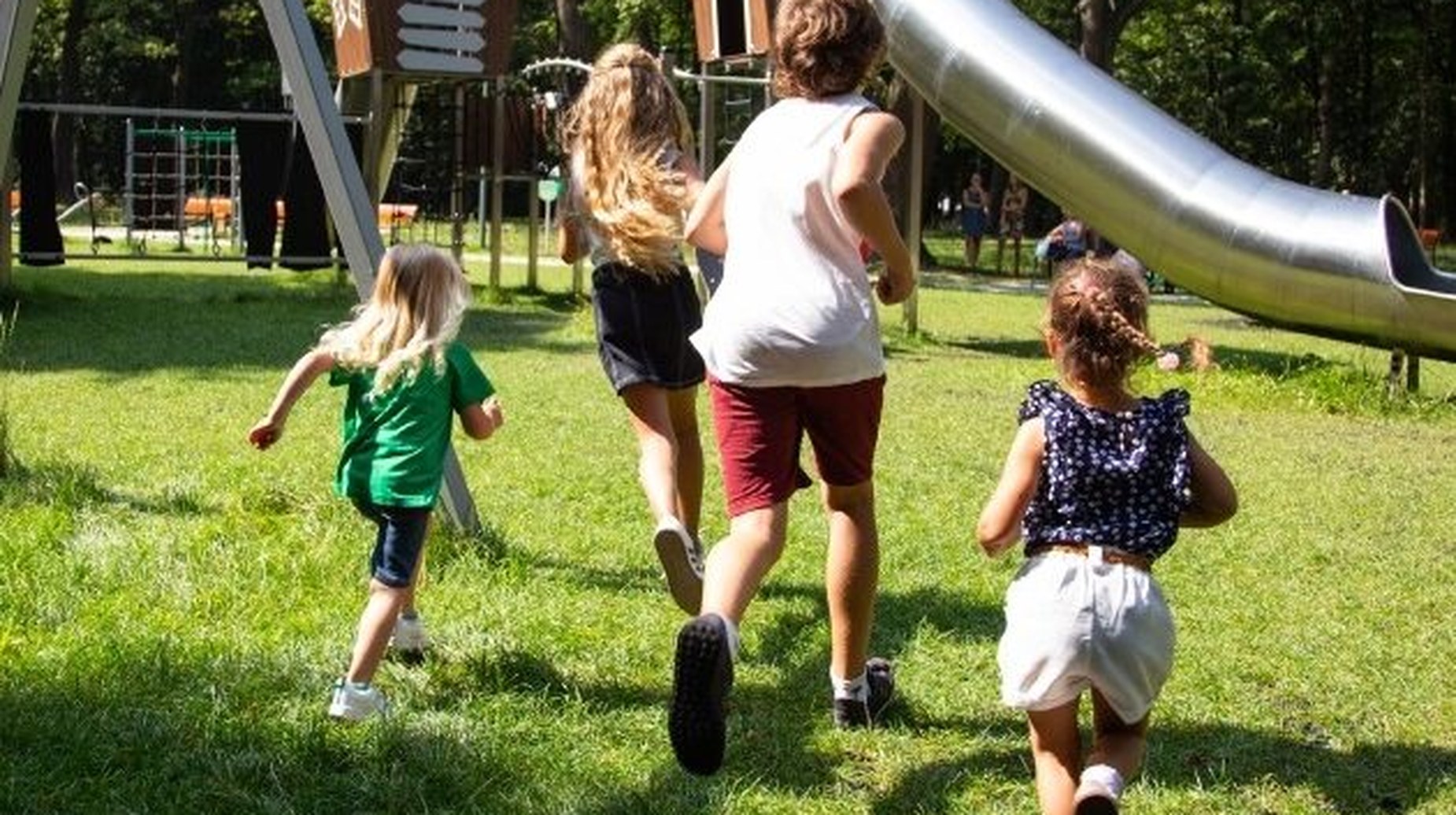
Play is far more than recreation. It plays a fundamental role in children's physical, social, emotional, and cognitive development, making accessible and well-designed play spaces an essential part of healthy communities.
Across towns and cities, playgrounds and recreational spaces provide children with opportunities to explore, learn, socialise, and develop key life skills. These environments support healthy development while encouraging active lifestyles and stronger connections with nature and local communities.
Play contributes significantly to physical wellbeing by helping children build strength, coordination, balance, and confidence through movement and activity. At the same time, it supports mental and emotional development by encouraging creativity, problem-solving, independence, and self-expression.
Social interaction is another important benefit of play. Shared play experiences help children develop communication skills, teamwork, empathy, and resilience while building friendships and confidence in social settings. These experiences contribute to stronger communities by creating opportunities for families and children to connect with one another.
Access to outdoor play spaces is particularly valuable. Green environments and nature-rich settings encourage exploration and curiosity while helping children develop a deeper appreciation for the natural world. Research continues to demonstrate the positive impact that time spent outdoors can have on mental wellbeing, concentration, and overall health.
As communities evolve, the design of play environments is becoming increasingly focused on inclusivity, accessibility, and wellbeing. Modern play spaces seek to accommodate children of different ages, abilities, and backgrounds, ensuring that more people can benefit from opportunities for active and imaginative play.
Play areas also contribute to the wider value of parks and public spaces. They create destinations that encourage families to spend time outdoors, support community interaction, and increase the social and recreational value of local environments.
Investing in high-quality play spaces is therefore an investment in future generations. By creating safe, engaging, and accessible environments for children, communities can support healthier development outcomes while enhancing overall quality of life.