UK
Why Biodiversity Is the Next Frontier in Urban Planning
Integrating nature into cities to create healthier, more resilient, and future-ready urban environments
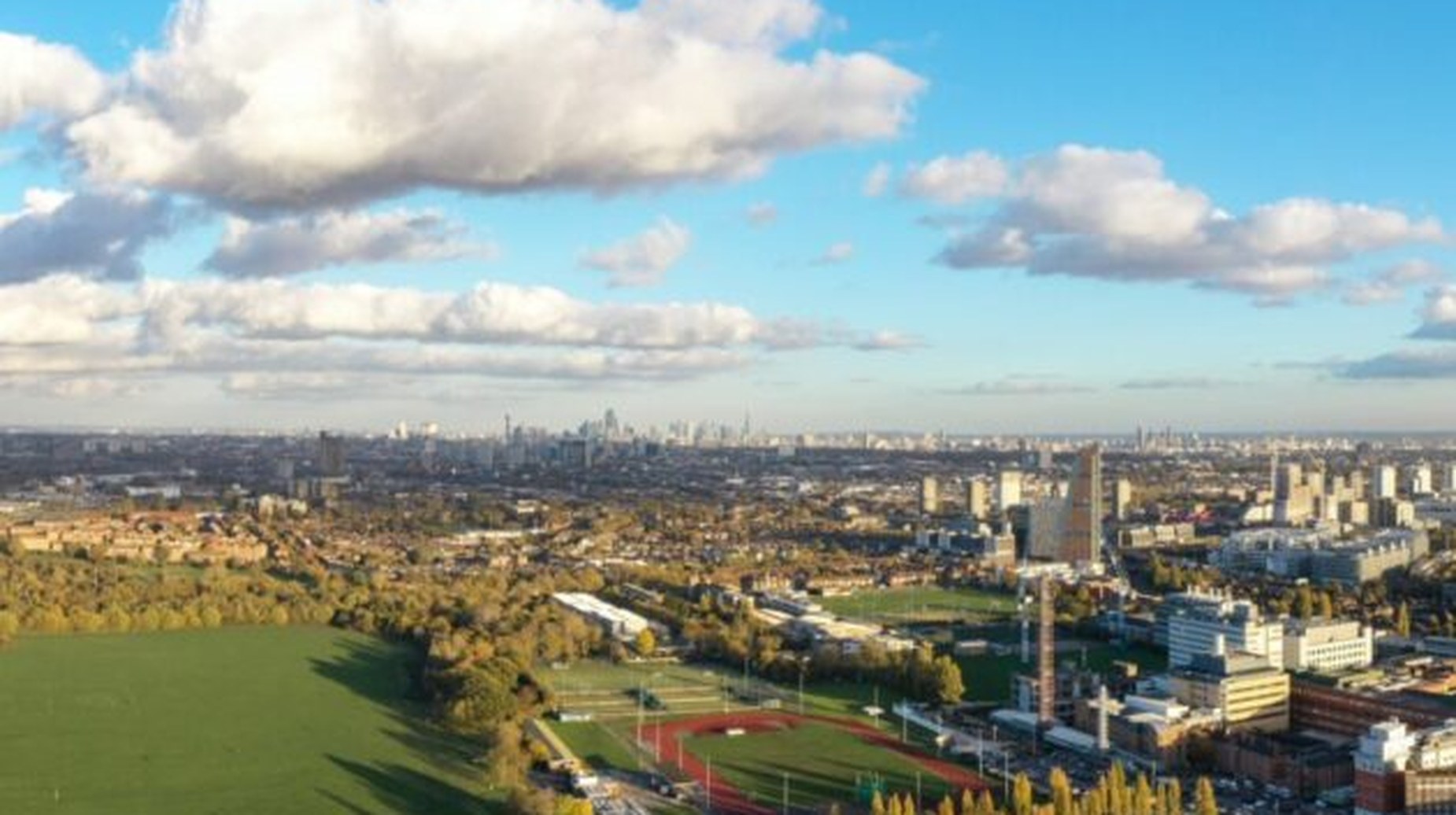
As cities continue to grow and evolve, biodiversity is becoming an increasingly important consideration in urban planning. Beyond creating attractive green spaces, integrating nature into urban environments is essential for supporting climate resilience, community wellbeing, and long-term environmental sustainability.
Urban areas face a range of interconnected challenges, including population growth, climate change, habitat loss, and increasing pressure on natural resources. As a result, planners, developers, and local authorities are looking beyond traditional approaches to create cities that can better support both people and nature.
Biodiversity is emerging as a key component of this transformation. By incorporating habitats, ecological corridors, green infrastructure, and nature-based solutions into urban environments, cities can strengthen ecosystem resilience while improving quality of life for residents.
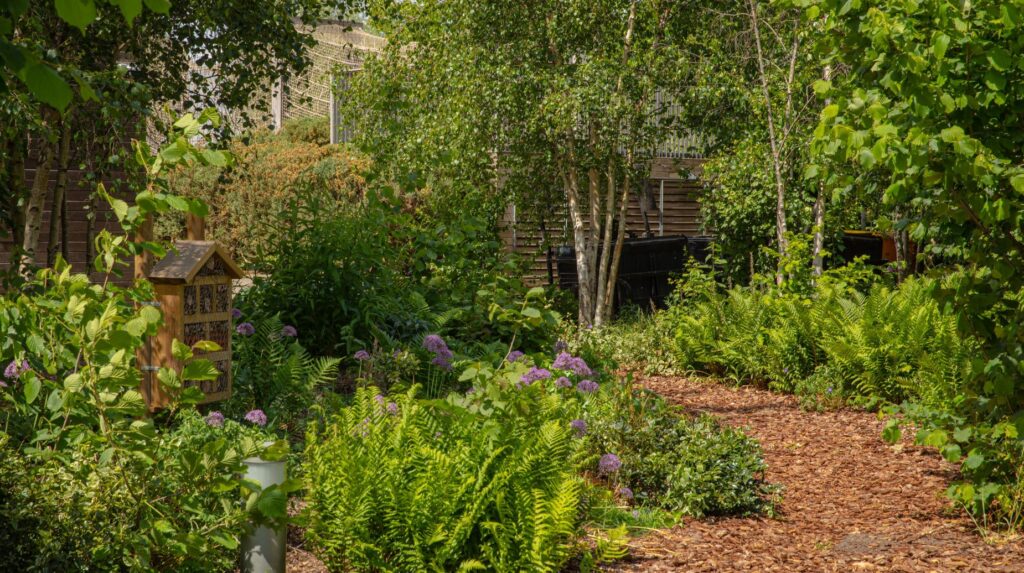
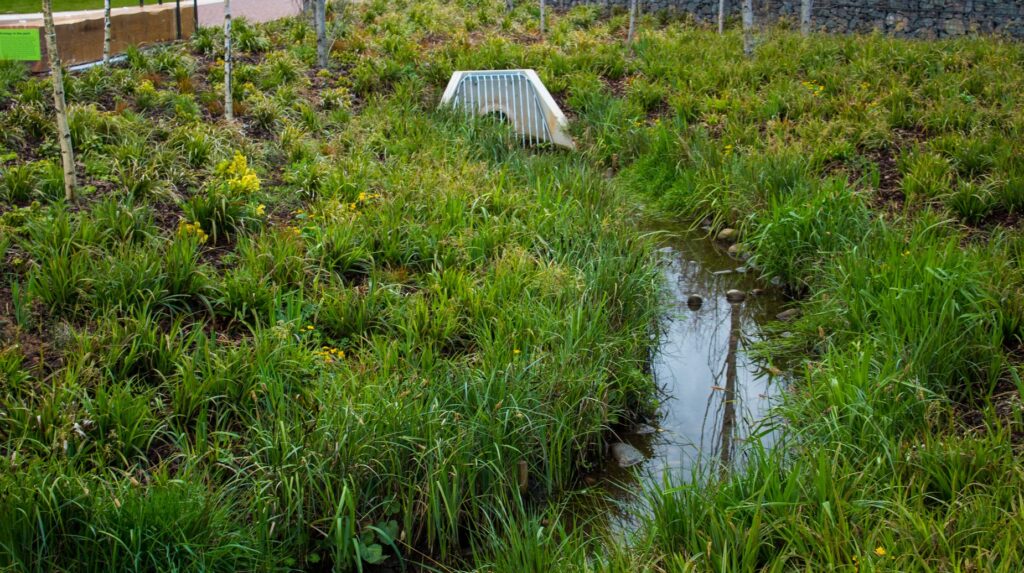
Healthy urban ecosystems provide a wide range of benefits. Trees, wetlands, meadows, green roofs, and other natural features help regulate temperatures, manage surface water, improve air quality, support wildlife, and enhance the overall character of urban spaces. These functions are increasingly important as communities adapt to changing environmental conditions.
Urban biodiversity also contributes to human wellbeing. Access to nature-rich environments has been linked to improved physical and mental health, stronger social connections, and greater opportunities for recreation and outdoor activity. Integrating biodiversity into city planning helps ensure these benefits remain accessible to growing populations.
The concept of biodiversity in urban planning extends beyond isolated green spaces. Creating connected networks of habitats allows wildlife to move more freely through urban landscapes while supporting ecological processes that strengthen overall environmental health.
Policy and regulation are also helping drive this shift. Biodiversity considerations are becoming increasingly embedded within planning frameworks, encouraging developments that deliver measurable environmental improvements alongside economic and social outcomes.
Achieving meaningful progress requires collaboration across disciplines. Urban planners, landscape professionals, environmental specialists, developers, local authorities, and communities all have a role to play in creating cities that support nature recovery while meeting the needs of future generations.
As urban environments continue to expand, biodiversity will increasingly shape how cities are designed, managed, and experienced. The integration of nature into planning is no longer a complementary consideration — it is becoming a fundamental requirement for creating resilient and sustainable places.