UK
Wildlife Through the Seasons — Birds Active in Autumn
Understanding seasonal bird activity and the importance of creating habitats that support biodiversity year-round
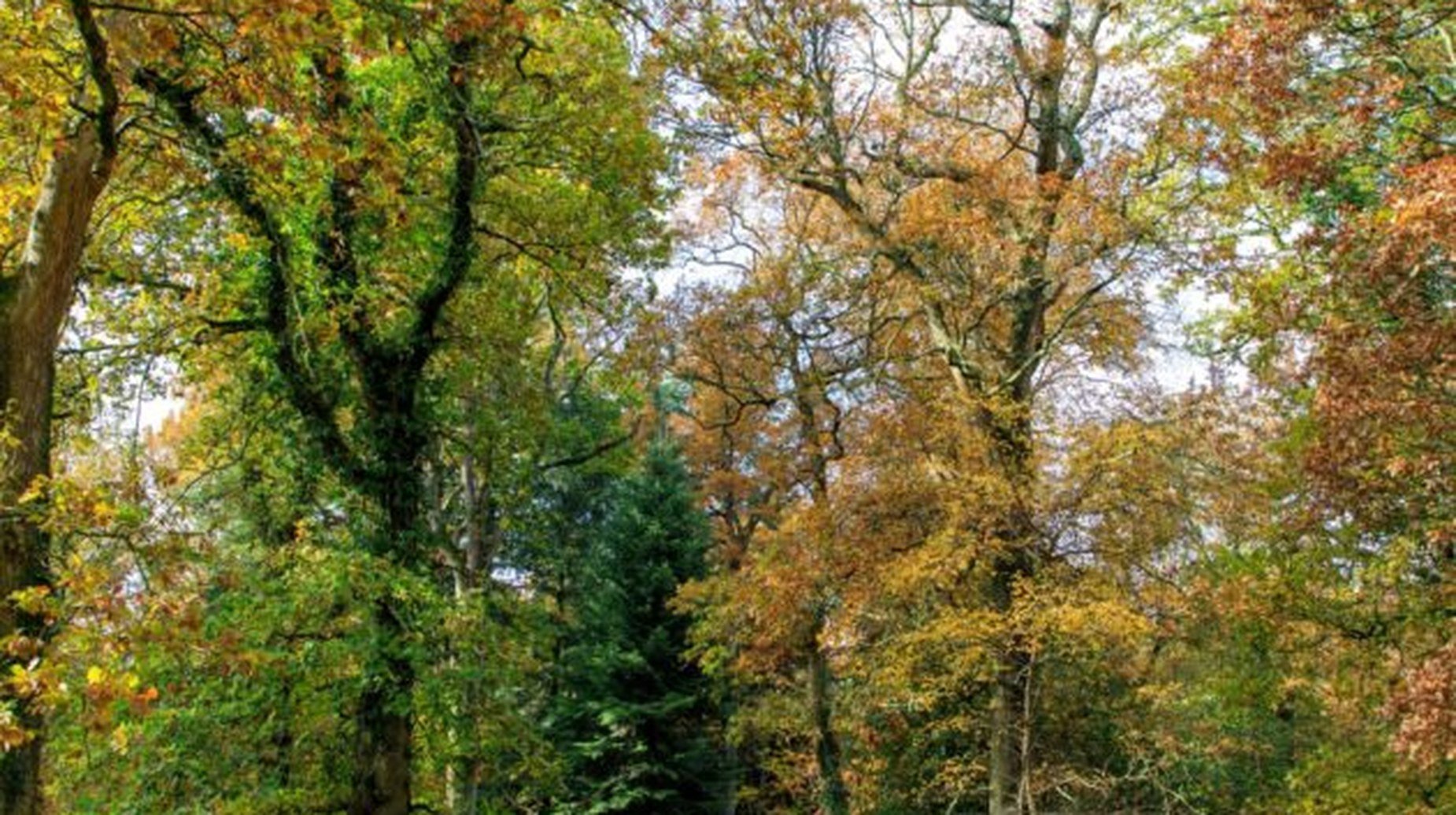
As summer transitions into autumn, the natural landscape undergoes significant change. For many bird species, this is a period of migration, preparation for winter, and increased activity as they take advantage of seasonal food sources and changing habitat conditions.
Autumn is one of the most dynamic periods in the ecological calendar. Across the UK, birds respond to changing temperatures, shorter daylight hours, and shifts in food availability, creating a season rich in wildlife activity and movement.
Many migratory species begin their journeys to warmer climates, while others arrive from northern regions to spend the winter in the UK. At the same time, resident bird populations adjust their behaviour as they prepare for colder months ahead. These seasonal movements highlight the importance of connected habitats and healthy ecosystems that provide food, shelter, and safe resting places throughout the year.
Parks, woodlands, wetlands, grasslands, and urban green spaces all play an important role in supporting bird populations during autumn. Trees and hedgerows provide berries and shelter, while wetlands and open landscapes offer feeding opportunities for both resident and migratory species.
Autumn also presents valuable opportunities for wildlife observation. Species such as robins, blackbirds, thrushes, finches, and a variety of waterfowl often become more visible as they forage for food and establish territories ahead of winter. These seasonal behaviours provide insight into the health and diversity of local ecosystems.
Supporting bird populations requires long-term habitat management and biodiversity-focused practices. Native planting schemes, habitat restoration projects, ecological corridors, and the protection of mature trees and hedgerows all contribute to creating environments where wildlife can thrive.
The presence of diverse bird species is often an indicator of broader ecological health. Healthy bird populations reflect well-functioning ecosystems that support a wide range of plants, insects, and other wildlife, demonstrating the interconnected nature of biodiversity.
As environmental pressures continue to affect wildlife habitats, creating and maintaining nature-rich landscapes becomes increasingly important. Every park, woodland, wetland, and community green space has a role to play in supporting biodiversity and helping species adapt to changing conditions.