Bromley, UK

Bromley Council’s Nature Friendly Verge Trial

A two-year trial led by Bromley Council, in partnership with idverde and supported by the RSPB, has demonstrated how alternative verge management can significantly improve biodiversity, creating richer habitats for wildflowers, pollinators and other wildlife.
2025

Bromley Council adopts permanent nature-friendly verge management following successful biodiversity trial

The London Borough of Bromley has completed a successful two-year Nature Friendly Verge Trial, demonstrating how changes to roadside verge management can enhance biodiversity while supporting wider environmental objectives.

Delivered in partnership with idverde and supported by the Royal Society for the Protection of Birds (RSPB), the initiative explored alternative maintenance practices across 11 carefully selected roadside verges. Rather than following traditional mowing schedules, the sites were managed more like species-rich hay meadows, with grass cut and collected once each autumn while maintaining safety through targeted edge cutting.

Road verges are increasingly recognised as valuable ecological assets. Across the UK, they provide important habitat for wildflowers and pollinating insects, particularly as traditional meadows continue to decline. In Bromley, the borough’s extensive network of green spaces offers an opportunity for roadside verges to function as wildlife corridors, connecting parks, woodlands and other natural habitats.

Throughout the trial, idverde’s biodiversity specialists carried out detailed ecological surveys to monitor the impact of the revised management regime. The first year recorded 80 different plant species across the trial sites. By the second year, this had increased to 113 species, with several locations showing significant improvements in floral diversity.

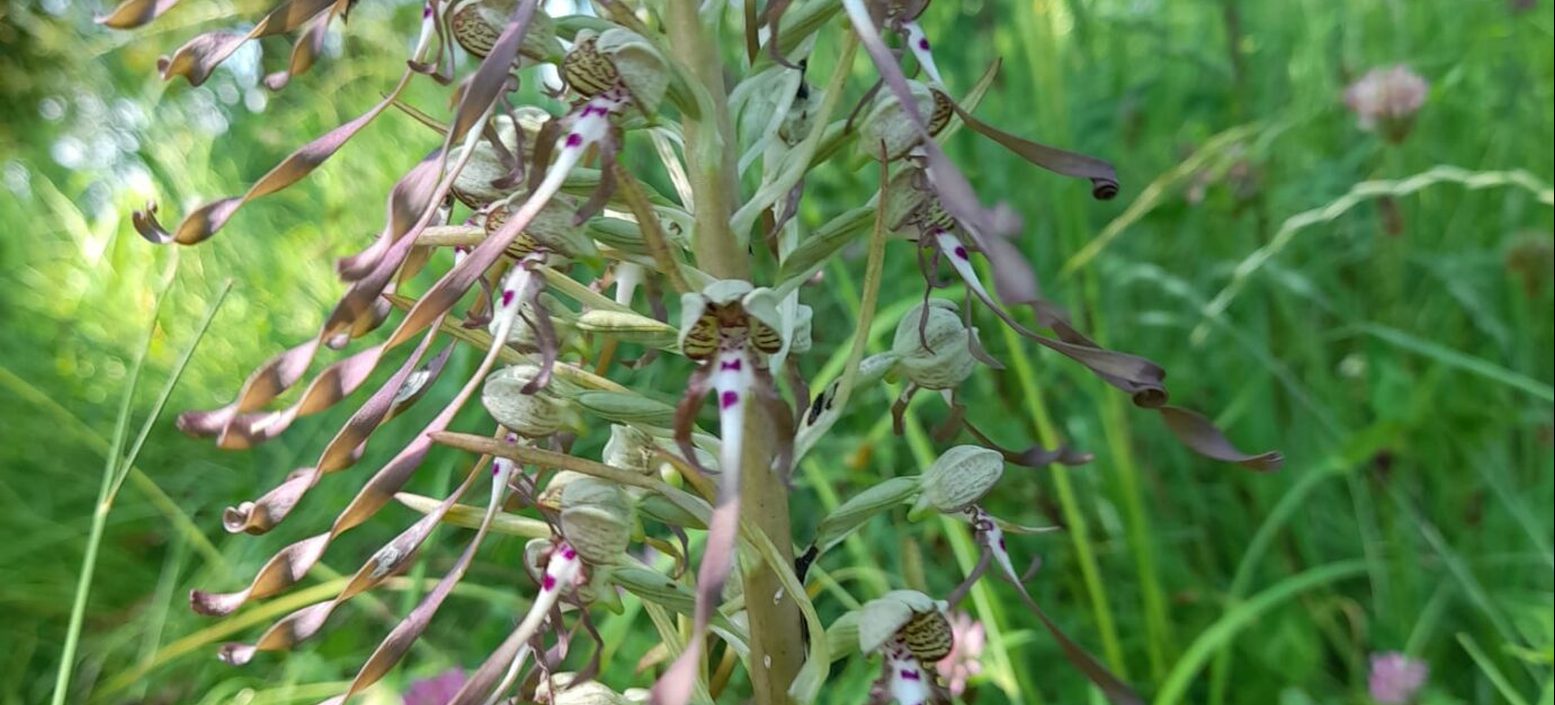
The enhanced habitats also supported notable wildlife, including five orchid species—among them the nationally significant Lizard Orchid—as well as priority pollinator species such as the Cinnabar moth and the Marbled White butterfly.

Alongside ecological monitoring, Bromley Council engaged local residents through public meetings, information signage and community surveys, recognising that changes in verge appearance can generate differing public opinions. While views remained mixed, the ecological benefits demonstrated throughout the trial provided strong evidence for continuing the programme.

Following the project’s success, Bromley Council agreed to make nature-friendly management permanent across eight of the original trial sites and expand the initiative to six additional locations. The programme contributes to broader ambitions for nature recovery, biodiversity enhancement and more sustainable management of public green infrastructure.

The success of the trial demonstrates how practical changes to routine maintenance can create healthier ecosystems while supporting pollinators, improving habitat connectivity and strengthening biodiversity within urban environments.