Glasgow, SCT
Sighthill Link Landscaping and Public Realm Works
idverde has delivered landscaping and public realm improvements for Scottish Canals at Sighthill, creating a safe and accessible waterside route while preserving the site's industrial heritage and supporting wider regeneration in Glasgow.
Historic canal corridor revitalised through the Sighthill Link project
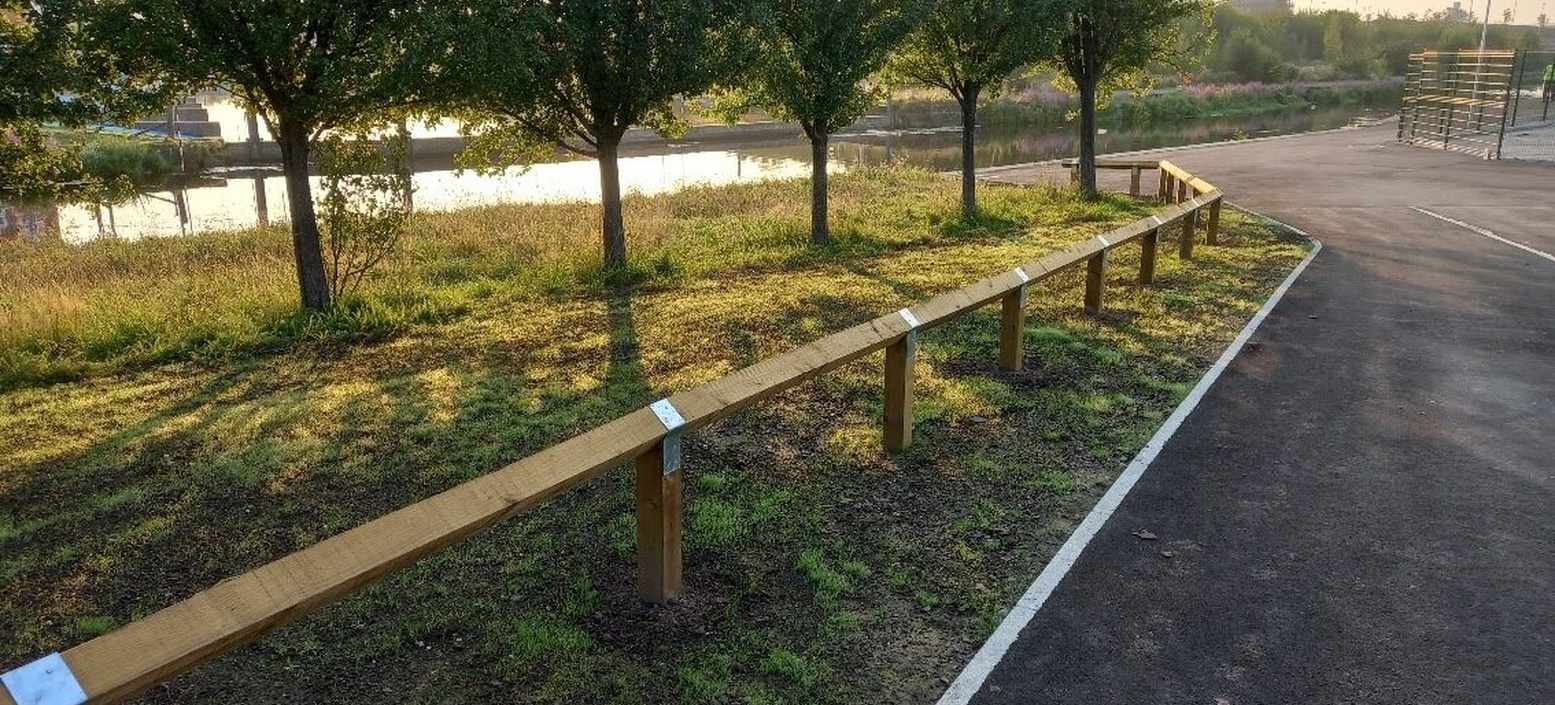
idverde has completed the Sighthill Link landscaping and public realm works for Scottish Canals, transforming a historically significant section of the Pinkston Canal Basin into an attractive, accessible route that connects key regeneration areas across Glasgow.
Once a hub for industrial activity, the site had historically served as a railway corridor, coal and coke yard, builders’ yard and storage area for oils and industrial materials. Throughout the project, preserving this heritage remained a central priority while creating a modern public space that encourages walking, cycling and recreation.
Working closely with Scottish Canals, idverde constructed a new traffic-free route alongside the canal, widening existing pathways and carefully integrating new infrastructure with the site’s historic features. Existing cobbled surfaces and former loading bays were retained wherever possible, with new asphalt surfacing designed to protect the underlying heritage fabric rather than replace it.
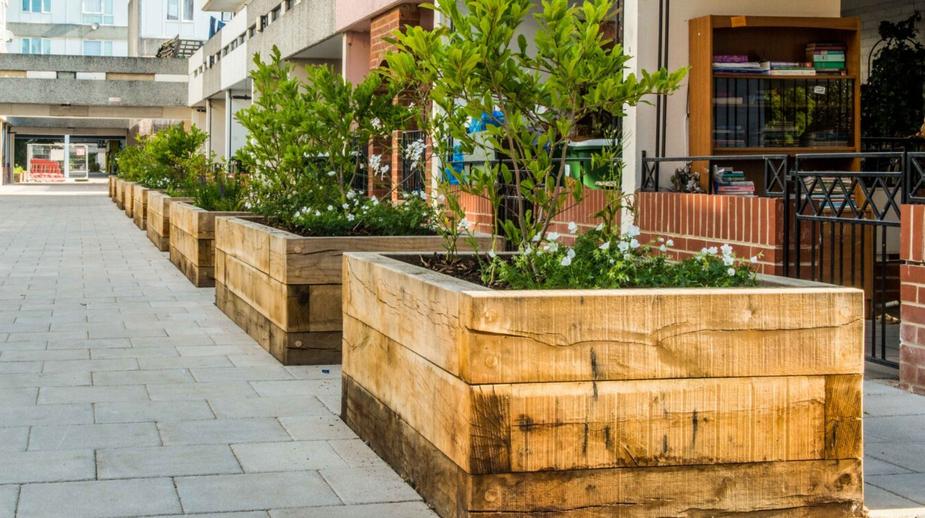
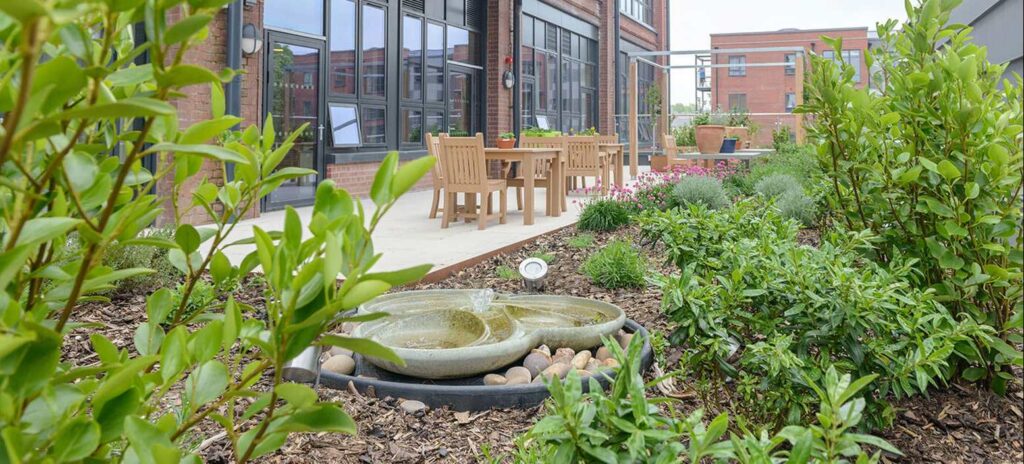
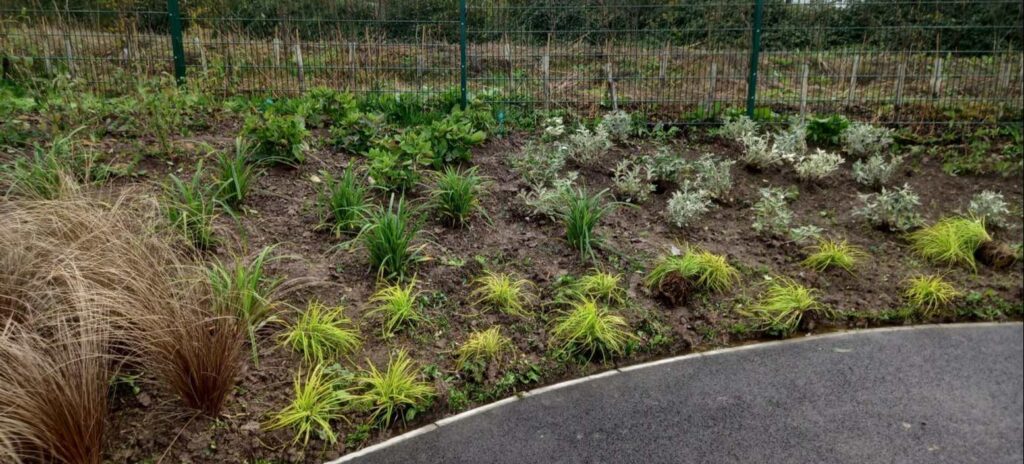
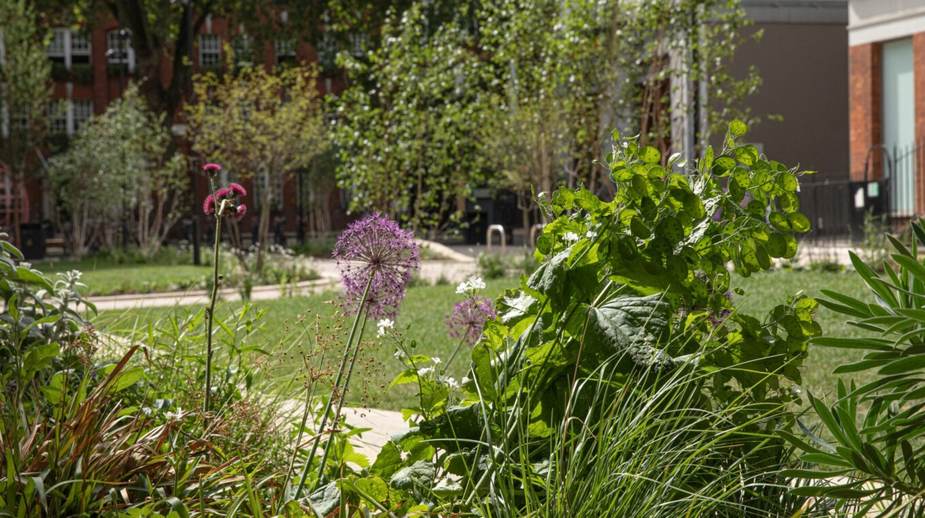
The project also included extensive hard and soft landscaping works, new pathways through a pocket park, permeable paving, seating areas, cycle parking, tree planting enhancements and improvements around a historic canal boat that now serves as a focal point within the landscape.
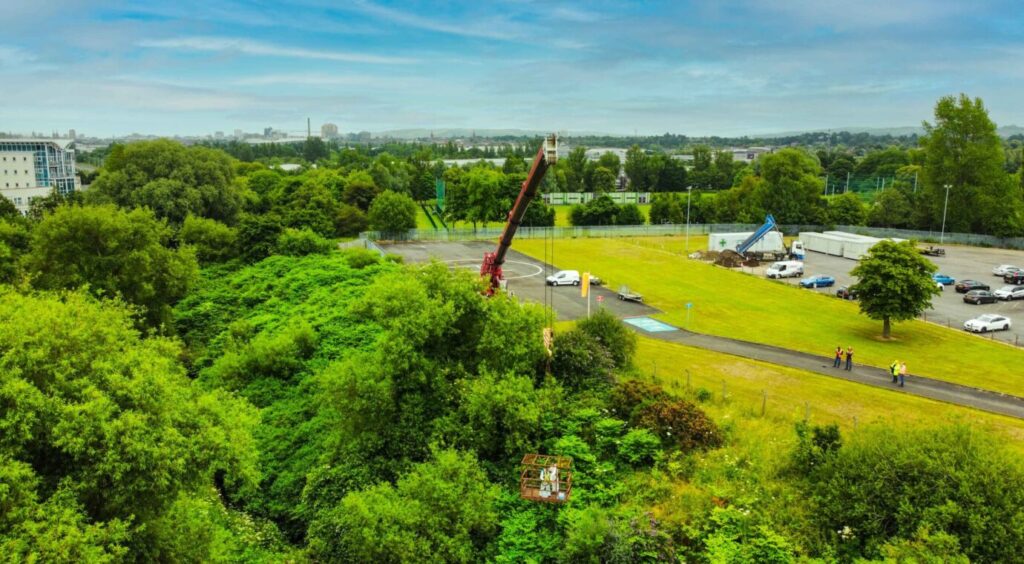
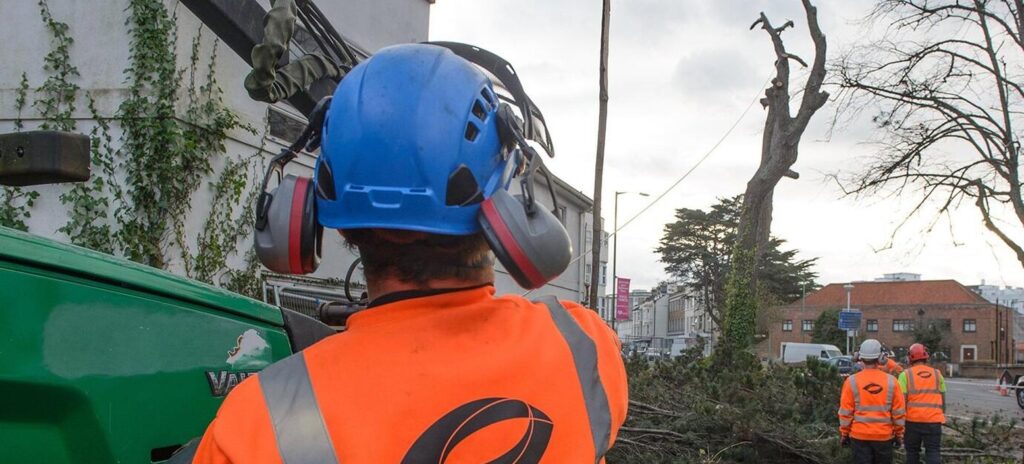
Construction presented several technical challenges. Extensive vegetation clearance revealed long-hidden Victorian engineering features that required careful protection throughout the works. Ground investigations were also undertaken to locate a historic well, combining ground-penetrating radar with trial excavations before confirming it no longer existed.
The industrial history of the site also meant contamination management formed an important part of the project. Approximately 100 tonnes of contaminated material were safely removed by licensed specialists, while bioremediation measures and imported clean topsoil ensured the completed public spaces were safe for long-term public use. Independent verification confirmed the effectiveness of the remediation works.
Throughout construction, the site remained closed to the public, although local historians were given supervised access to document and explore the area’s industrial heritage.
The completed project has created a welcoming new public realm that respects the site’s history while supporting active travel, biodiversity and the wider regeneration of the Sighthill neighbourhood. Scottish Canals praised both the quality of the workmanship and the successful delivery of the project.