UK
Supporting SEND Students Through Nature-Based Learning
Using outdoor environments to build confidence, skills, and meaningful connections with nature
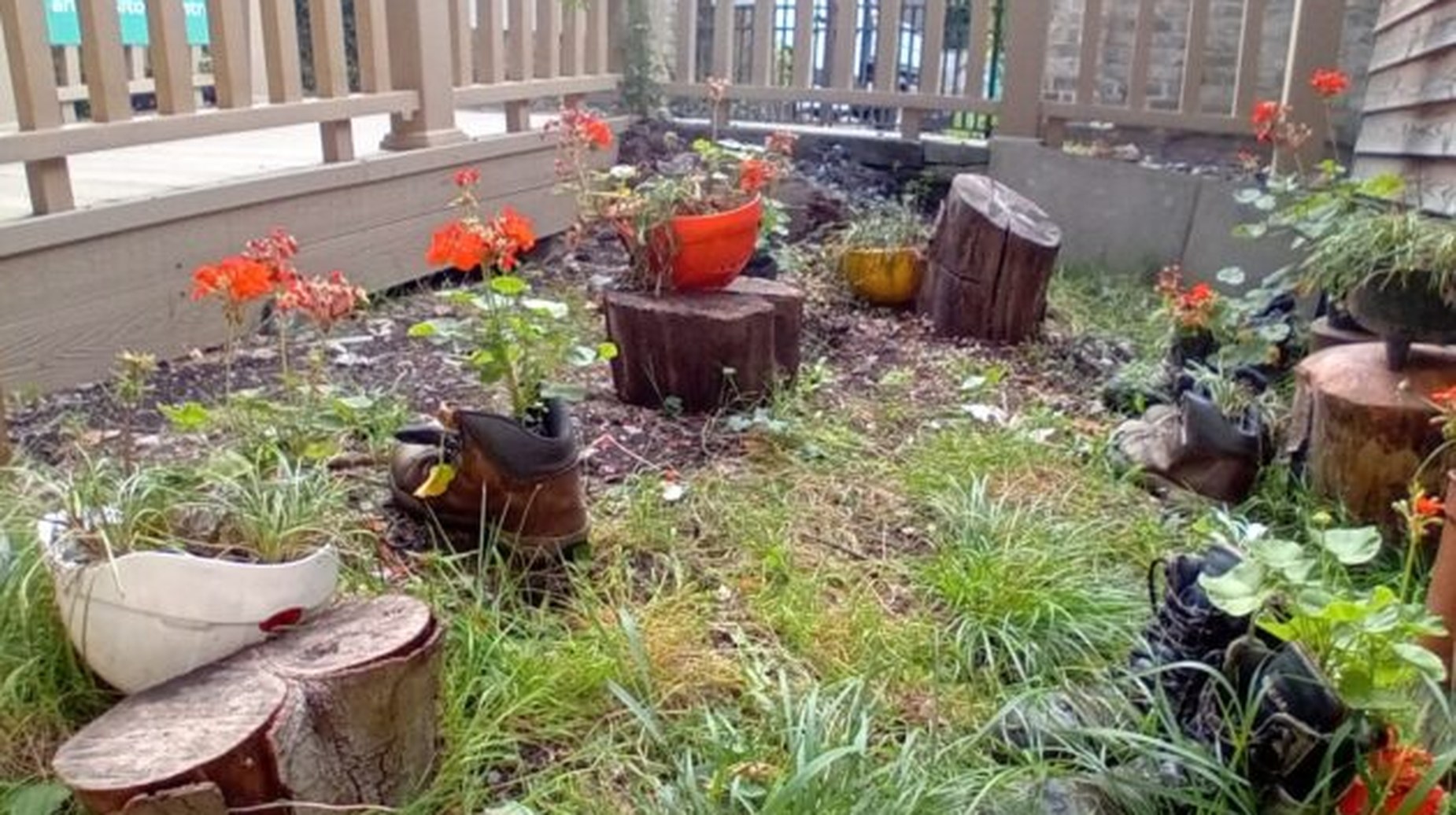
Through a partnership with Parkwood Hall Co-operative Academy, idverde UK is helping create opportunities for SEND students to engage with nature-based learning, supporting personal development, practical skills, and greater confidence through hands-on experiences in outdoor environments.
Outdoor learning can provide powerful opportunities for personal growth, skill development, and wellbeing. For students with special educational needs and disabilities (SEND), access to practical, nature-based experiences can offer valuable ways to build confidence, independence, and engagement with learning.
The partnership with Parkwood Hall Co-operative Academy focuses on creating meaningful learning opportunities within outdoor environments, allowing students to develop practical skills while connecting with nature. Activities provide hands-on experiences that encourage participation, exploration, and personal achievement in supportive and inclusive settings.
Nature-based learning offers a wide range of benefits. Spending time outdoors can support physical and mental wellbeing, improve concentration, encourage social interaction, and help develop problem-solving and communication skills. These experiences often create opportunities for learning that extend beyond traditional classroom environments.
The programme also helps introduce students to environmental stewardship and landscape management, providing insight into the importance of caring for natural environments and the role green spaces play within communities. Through practical activities, participants gain a deeper understanding of biodiversity, sustainability, and environmental responsibility.
Partnerships between educational institutions and organisations such as idverde UK help bridge learning with real-world experiences. By providing opportunities to engage directly with outdoor environments and professional practices, students can develop skills that support future education, training, and employment pathways.
The initiative reflects a wider commitment to inclusion and accessibility, ensuring that more young people can benefit from experiences that support personal development while fostering stronger connections with the natural world.
As organisations continue to explore new ways of creating positive social impact, nature-based learning programmes demonstrate how environmental and educational objectives can come together to deliver meaningful outcomes for individuals and communities alike.