UK
Grazing for Biodiversity at Downe Bank — Kent, UK
Using conservation grazing to support habitat management and strengthen ecological resilience
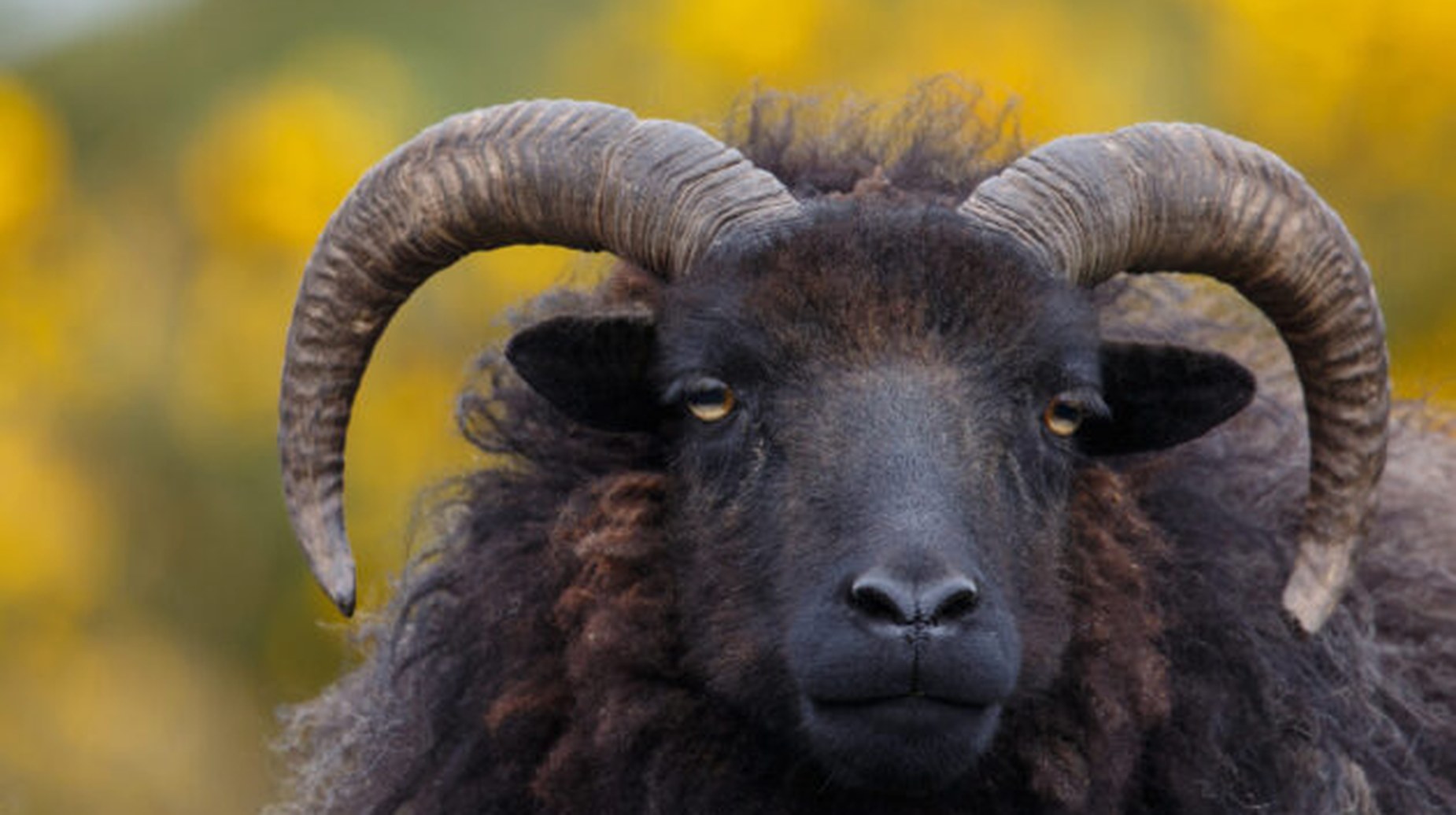
Hebridean sheep have returned to Downe Bank as part of an ongoing conservation grazing programme designed to enhance biodiversity, maintain valuable habitats, and support the long-term ecological health of this important nature site.
Conservation grazing is a well-established land management technique that uses livestock to help maintain and restore habitats in a natural and sustainable way. By carefully controlling vegetation growth, grazing animals can help create the conditions needed for a wider variety of plant and animal species to thrive.
At Downe Bank, the return of Hebridean sheep forms part of a long-term habitat management strategy aimed at protecting the ecological value of the site. Their grazing helps manage scrub encroachment and promotes the diverse grassland habitats that support a rich range of wildlife.
Species-rich grasslands are among the most valuable habitats for biodiversity, providing food, shelter, and breeding opportunities for insects, pollinators, birds, and other wildlife. Maintaining these habitats requires careful management to prevent more dominant vegetation from reducing ecological diversity.
The use of traditional grazing methods offers several environmental benefits. In addition to supporting habitat quality, grazing can improve ecosystem resilience, enhance landscape character, and reduce the need for more intensive management interventions.
Downe Bank is recognised for its ecological significance, making ongoing stewardship particularly important. Through regular monitoring and adaptive management, conservation grazing helps ensure the site continues to support biodiversity while preserving its unique environmental value.
The project demonstrates how nature-based approaches can deliver effective environmental outcomes while working in harmony with natural processes. By integrating traditional land management techniques into modern conservation strategies, organisations can support healthier and more resilient ecosystems.
Conservation grazing also provides opportunities to engage communities with nature, helping raise awareness of habitat management practices and the importance of protecting biodiversity-rich landscapes for future generations.