
UK
Creating Play Spaces That Are Inclusive and Engaging for Everyone
Designing environments where children of all abilities can play, learn, and connect together
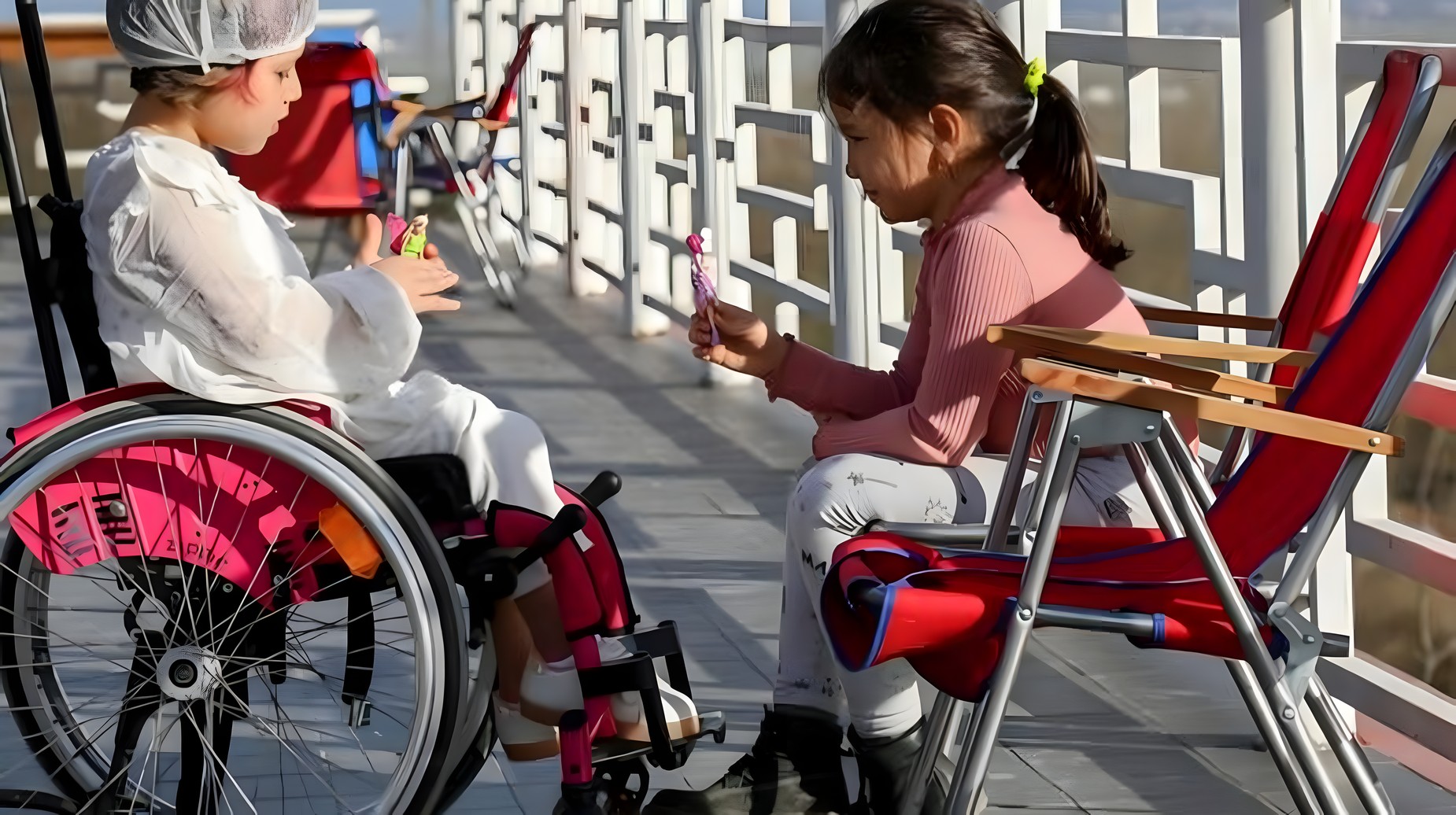
Inclusive play is about creating environments where every child can participate, explore, and enjoy meaningful play experiences. Thoughtfully designed play spaces help remove barriers, encourage social interaction, and ensure that outdoor environments are welcoming to children of all abilities.
Play is an essential part of childhood development, supporting physical, cognitive, social, and emotional growth. To maximise these benefits, play environments must be designed to be accessible, inclusive, and engaging for the widest possible range of users.
Inclusive play goes beyond meeting accessibility requirements. It considers how children with different physical, sensory, cognitive, and social needs can interact with their environment and with one another. The goal is to create spaces where everyone can participate and feel included.
Successful inclusive play spaces provide a variety of experiences that support different ways of playing. Physical challenges, imaginative activities, sensory experiences, quiet areas, and social spaces all contribute to creating environments that accommodate diverse needs and preferences.
Accessibility is a key consideration. Features such as step-free access, inclusive pathways, accessible equipment, and thoughtful site layouts help ensure that children and caregivers can move comfortably and safely throughout the space.
Sensory-rich environments also play an important role. Natural materials, varied textures, sounds, planting, and interactive elements can create engaging experiences that support exploration, learning, and wellbeing for children with a wide range of abilities.
Inclusive play spaces benefit entire communities. They encourage social interaction, help foster empathy and understanding, and create opportunities for children to play together regardless of background or ability. These shared experiences contribute to stronger, more connected communities.
As expectations around accessibility and inclusion continue to evolve, play environments are increasingly being designed with a holistic approach that considers both physical access and the overall user experience. This helps ensure that play spaces deliver meaningful value for all users while creating positive outcomes for children, families, and communities.