London
Tree Replacement Programme at Abbots Lane Park — London, UK
Enhancing urban tree cover and strengthening the long-term resilience of a valued community green space
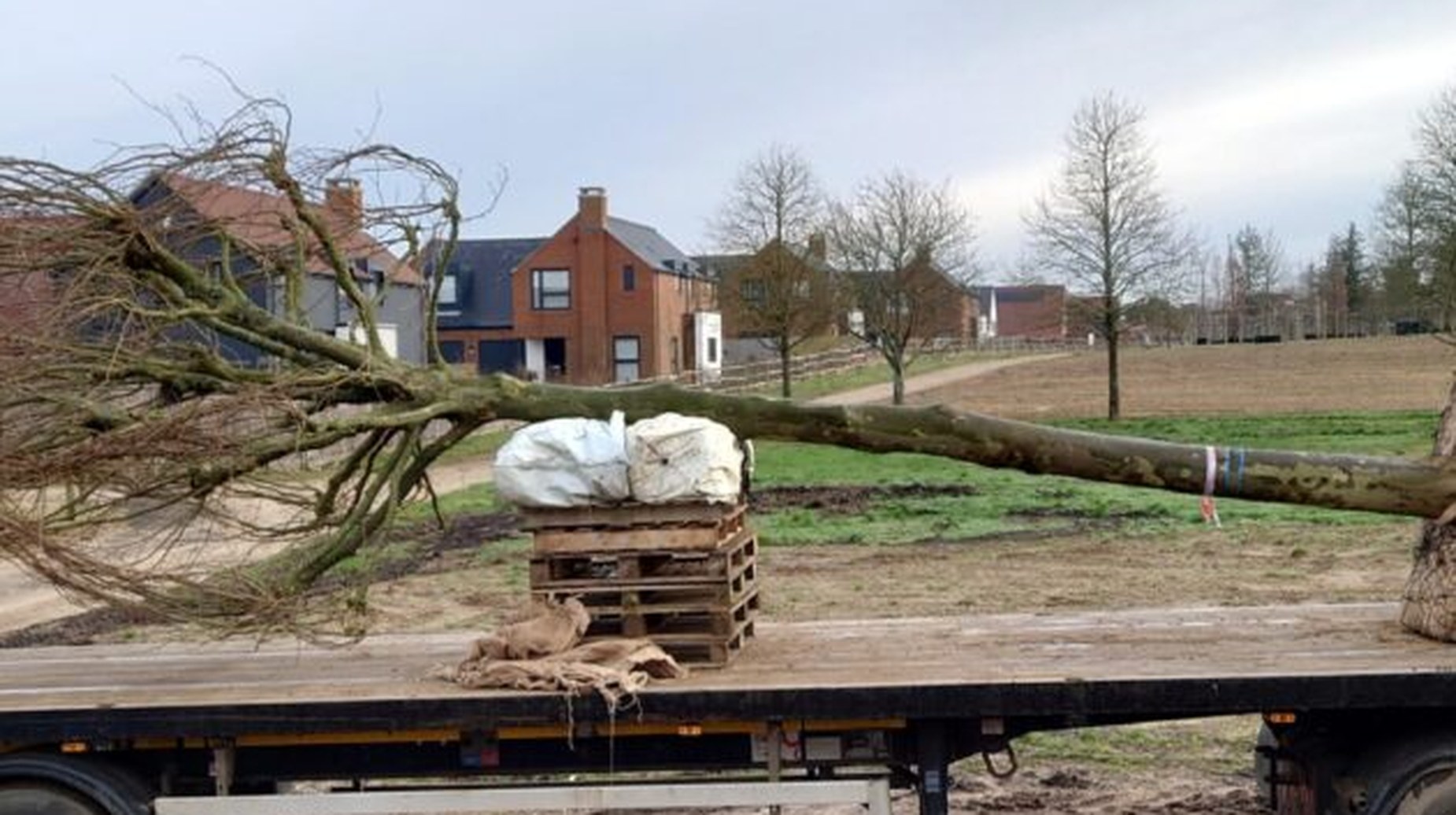
idverde UK has completed a tree replacement programme at Abbots Lane Park in London, helping to strengthen the park’s landscape, improve biodiversity, and ensure the long-term sustainability of its urban tree population.
Trees play a fundamental role in creating healthier and more resilient urban environments. They provide shade, improve air quality, support biodiversity, help manage surface water, and contribute significantly to the wellbeing of local communities.
At Abbots Lane Park, a programme of tree replacement works was undertaken to maintain and enhance the quality of the park’s landscape while addressing the natural lifecycle of existing tree stock. The initiative forms part of a long-term approach to managing green infrastructure and ensuring the continued environmental value of the site.
The project involved the removal of trees that had reached the end of their lifespan or were no longer suitable for retention, followed by the planting of carefully selected replacement species. Particular consideration was given to ensuring that the new planting would contribute positively to the park’s ecological value, visual character, and future resilience.
Species selection was guided by factors including biodiversity benefits, adaptability to changing environmental conditions, and suitability for the local landscape. This approach helps create a more diverse and robust tree population capable of supporting wildlife while enhancing the overall quality of the park environment.
Tree replacement programmes play an important role in maintaining healthy urban forests. By continuously renewing tree populations, green spaces can continue delivering essential ecosystem services while adapting to challenges such as climate change, pests, diseases, and evolving urban conditions.
The project also reinforces the importance of long-term stewardship in public space management. Effective tree management requires ongoing planning, monitoring, and investment to ensure that landscapes remain safe, attractive, and environmentally valuable for future generations.
Through initiatives such as this, urban parks continue to evolve as living ecosystems that provide environmental, social, and recreational benefits to local communities while contributing to wider sustainability and biodiversity objectives.