UK
Back to School — The Importance of Play
Why play remains essential to children's development, wellbeing, and learning as a new school year begins
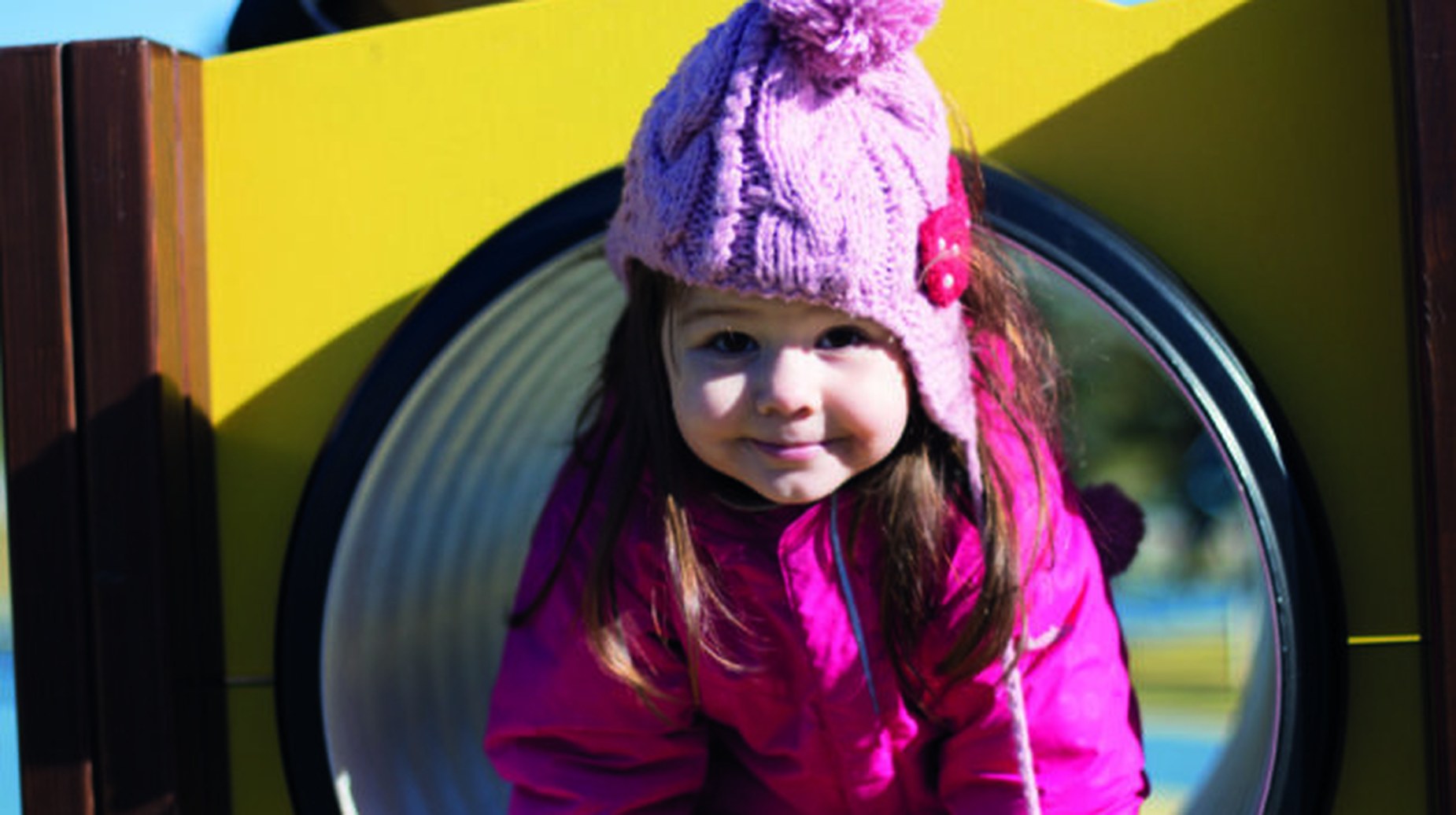
As children prepare to return to school after the summer break, play continues to play a vital role in supporting their physical, social, emotional, and cognitive development. Access to high-quality outdoor spaces and play environments remains an important part of helping children learn, grow, and thrive.
While schools provide structured learning opportunities, play offers equally important experiences that contribute to a child’s overall development. Through play, children explore the world around them, develop problem-solving skills, build confidence, and strengthen social connections.
Outdoor play is particularly valuable. It encourages physical activity, supports healthy development, and helps children improve coordination, balance, and motor skills. At the same time, spending time outdoors can have a positive impact on mental wellbeing, reducing stress and supporting concentration and creativity.
Play also helps children develop essential social and emotional skills. Through interaction with peers, they learn communication, collaboration, empathy, resilience, and conflict resolution — abilities that contribute both to academic success and personal development.
Access to safe, inclusive, and engaging play spaces is therefore an important consideration for communities, schools, and local authorities. Well-designed environments provide opportunities for children of all ages and abilities to participate, explore, and enjoy the benefits of active play.
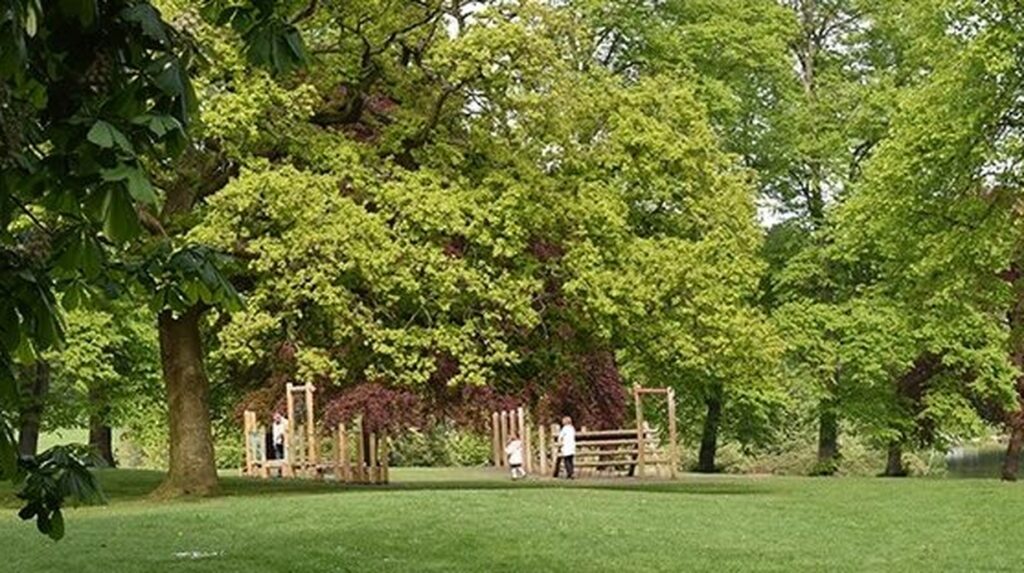
Green spaces and nature-rich environments further enhance these experiences. Contact with nature encourages curiosity, imagination, and environmental awareness while helping children build stronger connections with the world around them.
As the new school year begins, the importance of balancing structured education with opportunities for play remains clear. Together, they help support healthier development outcomes and contribute to the wellbeing of children both inside and outside the classroom.
Investing in play spaces is ultimately an investment in future generations, creating environments that support learning, health, inclusion, and community wellbeing.