UK
Creating Space for Nature at Our Charnwood Office
Transforming workplace surroundings into a thriving habitat that supports biodiversity and environmental awareness
idverde UK’s Charnwood office has embraced a biodiversity-focused approach to landscape management, transforming areas around the workplace into more natural habitats that support wildlife while demonstrating how everyday spaces can contribute to nature recovery.
Biodiversity enhancement is not limited to parks, nature reserves, or large-scale environmental projects. Workplaces and operational sites can also play an important role in supporting wildlife and creating habitats that contribute to healthier ecosystems.
At the Charnwood office, a series of biodiversity initiatives have been introduced to encourage nature to thrive around the site. By allowing selected areas to develop more naturally and implementing wildlife-friendly management practices, the team has created conditions that support a wider variety of plants, insects, and other species.
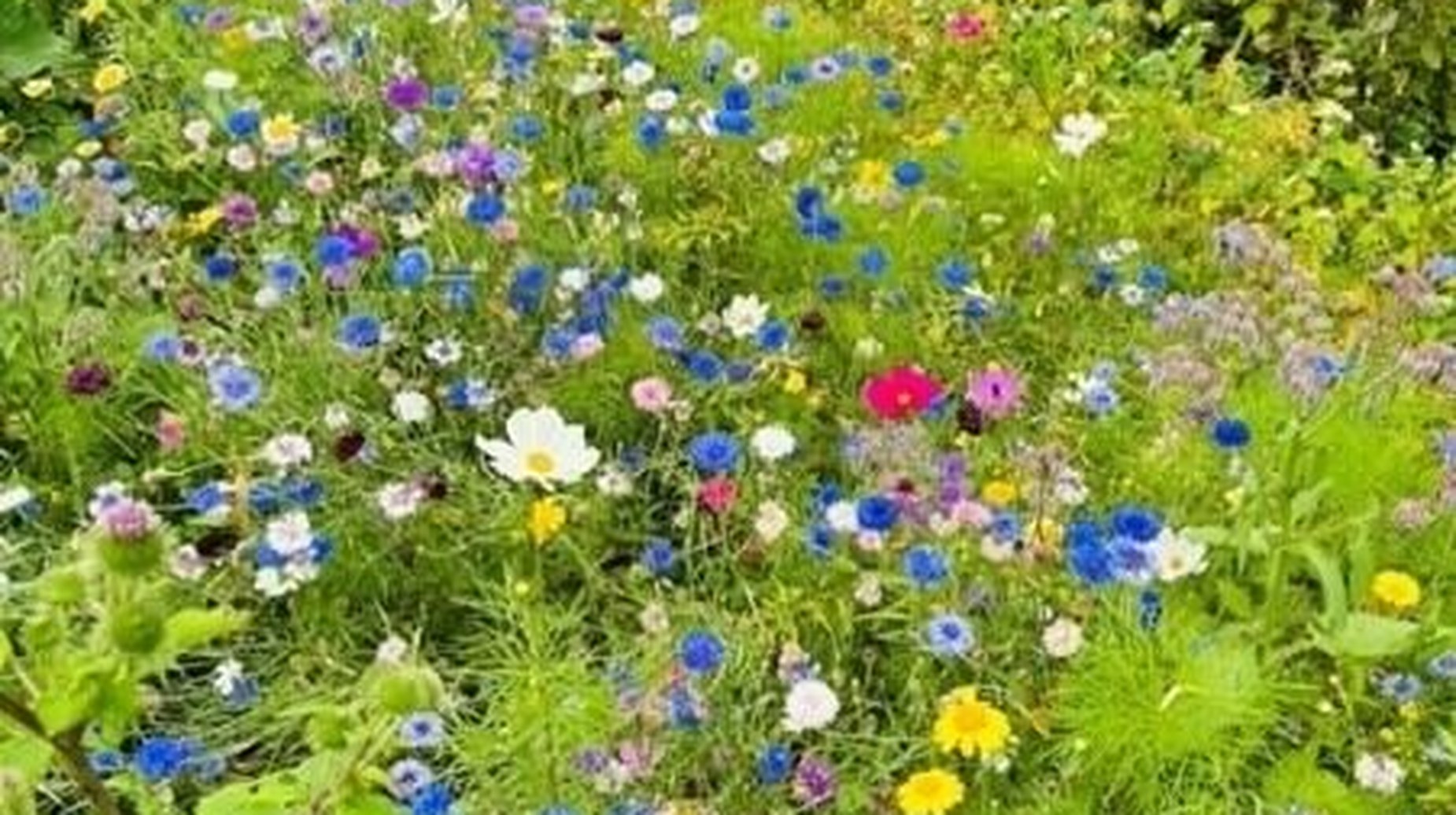
These interventions help increase habitat diversity while providing valuable resources for pollinators and local wildlife. Wildflower-rich areas, natural vegetation, and reduced management zones contribute to creating a more resilient ecosystem that evolves naturally over time.
The project also serves as a practical example of how organisations can integrate biodiversity into their own environments. Small-scale changes in land management can deliver meaningful ecological benefits while raising awareness of the importance of nature-positive practices among employees and visitors.
Beyond supporting wildlife, nature-rich workplaces can also contribute to employee wellbeing. Access to greener surroundings can enhance the working environment, encourage greater connection with nature, and promote awareness of environmental issues and sustainability objectives.
The initiative reflects a broader shift towards embedding biodiversity considerations into everyday decision-making and operational activities. By creating opportunities for nature within managed environments, organisations can make a positive contribution to local biodiversity recovery while demonstrating environmental leadership.
Projects such as this show that every space has the potential to support wildlife. Whether in parks, public spaces, operational sites, or workplaces, creating room for nature is an important step towards building more connected and resilient ecosystems.