UK
Meadow Management at High Elms — Bromley, UK
Enhancing biodiversity through seasonal habitat management and long-term ecological stewardship
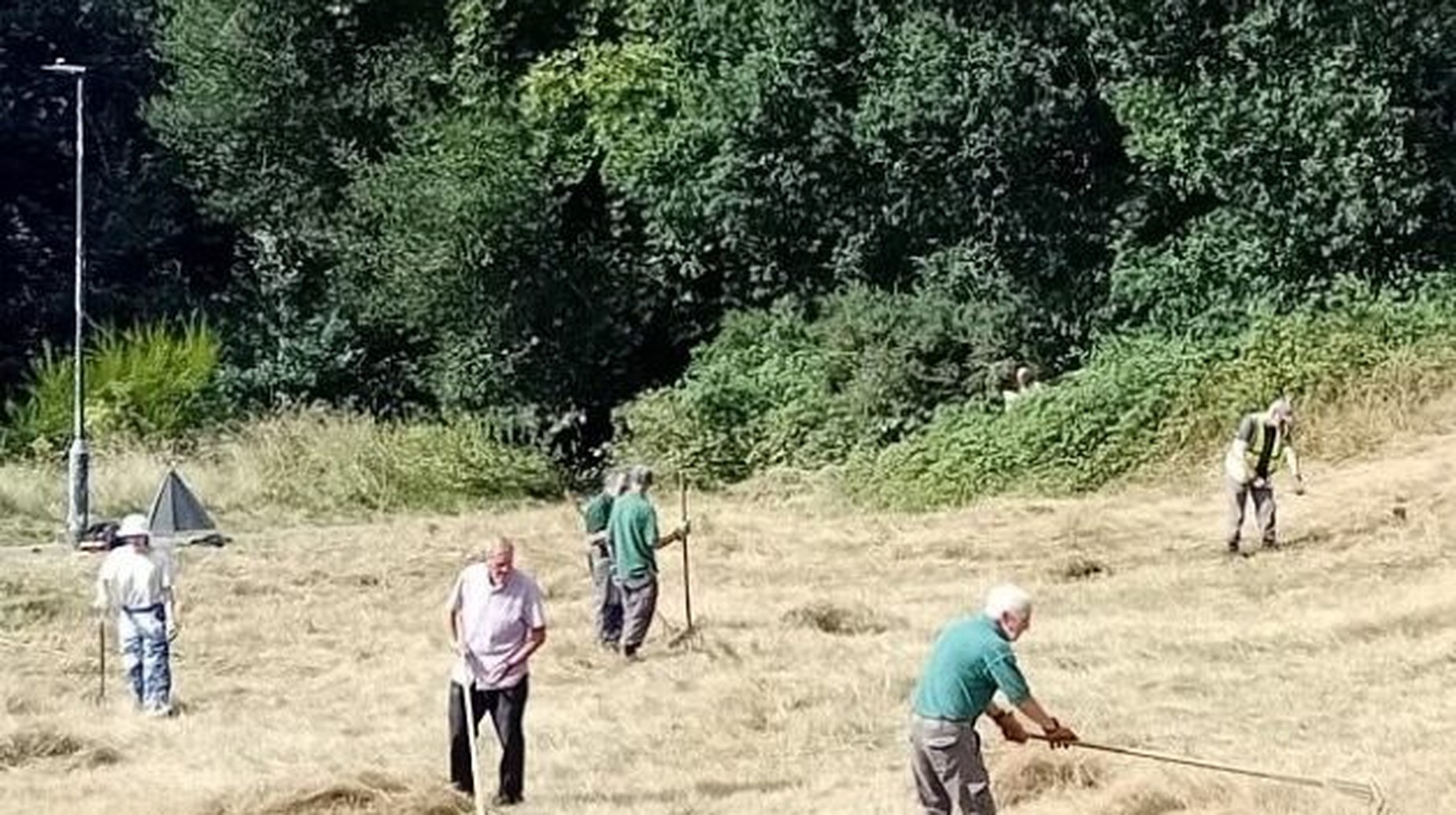
At High Elms Country Park in Bromley, ongoing meadow management activities are helping maintain and enhance valuable grassland habitats, supporting biodiversity while creating healthier and more resilient ecosystems for wildlife and local communities.
Species-rich meadows are among the UK’s most valuable habitats, providing essential food sources and shelter for pollinators, birds, insects, and other wildlife. Effective management is critical to preserving their ecological value and ensuring they continue to support biodiversity over the long term.
At High Elms, seasonal meadow management forms part of a carefully planned approach to habitat conservation. The work focuses on maintaining the balance between encouraging native wildflowers and preventing more dominant vegetation from reducing biodiversity within the grassland environment.
A key stage of the annual management cycle takes place during autumn, when meadow areas are cut and arisings removed. This process helps reduce soil fertility over time, creating conditions that favour a greater diversity of wildflower species and supporting a wider range of pollinators and wildlife.
The management programme also contributes to improving habitat quality and ecological resilience. By maintaining diverse plant communities, the meadows provide important resources throughout the year, supporting insects, birds, and other species that depend on healthy grassland ecosystems.
Beyond their biodiversity value, meadows deliver a range of environmental benefits. They help improve soil health, support carbon storage, enhance landscape character, and create opportunities for people to experience nature-rich environments within urban and peri-urban settings.
High Elms Country Park represents an important ecological asset within the local landscape, and ongoing habitat management helps ensure that its natural value is protected for future generations. Through regular monitoring and adaptive management practices, the site continues to evolve as a thriving habitat for wildlife.
The project highlights the importance of long-term stewardship in biodiversity conservation. While meadow management can appear simple, achieving meaningful ecological outcomes requires expertise, planning, and a deep understanding of how habitats develop over time.